Your roof is probably the most ignored part of your house. Nobody looks up. We notice a chipped wall, a squeaky door, even a slightly off paint shade — but the roof? Out of sight, out of mind, until it’s leaking onto your favorite couch.
Learning how to extend roof lifespan isn’t complicated, but it does require actually paying attention before problems show up. Most roofs fail early not because the material was bad, but because basic maintenance got skipped for years. A roof that should last 25 years ends up needing replacement at 14 or 15 — and that’s an expensive mistake, especially with material costs the way they are in 2026. The good news? A handful of consistent habits can add a decade or more to your roof’s working life. Let’s get into what actually moves the needle.
Why Most Roofs Fail Before Their Time
Direct answer: Roofs typically fail early due to neglected small leaks, clogged drainage, poor ventilation, and skipped inspections — not usually because of bad materials. Regular maintenance can extend roof lifespan by 8-10 years beyond its rated life in most cases.
I’ve inspected more roofs than I can count at this point, and the pattern is almost always the same. It’s rarely one big disaster. It’s small things, ignored, compounding over years.
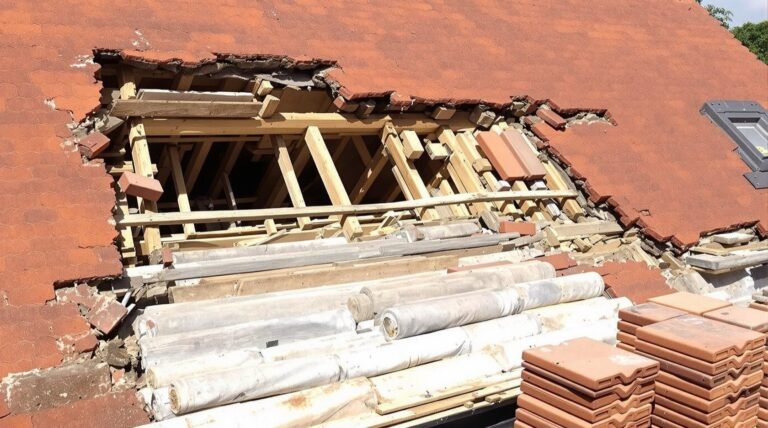
A tiny crack lets in a bit of moisture. Nobody notices for eight months. That moisture weakens the structure underneath, slowly. By the time a visible leak shows up, the damage has already spread further than it looks from inside the room.
Common early-failure causes:
- Clogged gutters causing water to pool and seep under roofing material
- Ignored minor leaks that eventually damage the underlying structure
- Poor attic or roof-space ventilation, which traps heat and moisture
- Tree branches scraping the roof surface during monsoon winds
- Skipping annual inspections because “it looks fine from the ground”
That last one gets people every time. Roofs look fine from the ground. That’s exactly the problem.
Schedule Regular Roof Inspections
This is genuinely the single highest-leverage thing you can do, and it costs almost nothing compared to what it saves.
Get your roof inspected at least twice a year — once before monsoon season (April-May) and once after (September-October). A basic inspection typically costs ₹500-1,500 depending on your city and roof size, which is nothing compared to a ₹2 lakh replacement bill down the line.
During an inspection, a good contractor checks for:
- Cracked or damaged tiles, sheets, or shingles
- Signs of water pooling or drainage issues
- Rust spots on metal roofing (a big one for older sheet roofs)
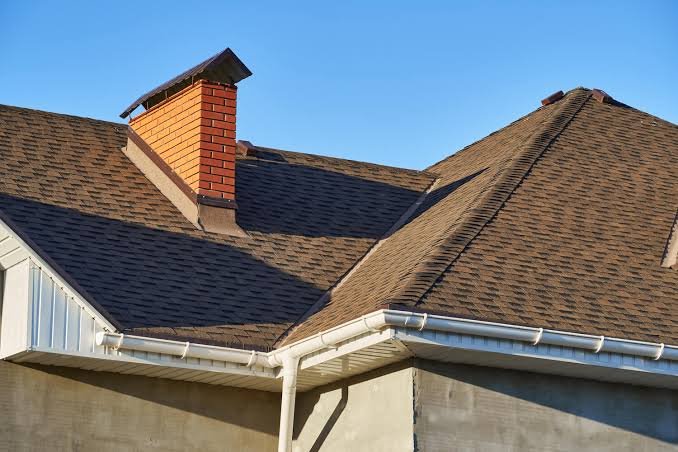
- Cracks or gaps around chimneys, vents, or skylights
- Sagging areas that might indicate structural weakening underneath
I’ll be honest — I think most homeowners skip this because it feels like an unnecessary expense when nothing seems wrong. That’s backwards thinking, in my opinion. The whole point is catching problems before they’re visible.
Keep Gutters and Drains Clear
Has this ever happened to you — you notice water pooling near your roof edge and think, “I’ll deal with it later”? Later usually means after the damage has already started.
Clogged gutters are one of the biggest silent killers of roof lifespan. Leaves, dust, and debris build up, water backs up instead of draining, and that standing water slowly works its way into places it shouldn’t be.
Clean gutters at least every 3 months, more often if you’ve got trees nearby. It’s a genuinely simple task — takes maybe 30-45 minutes for an average home — but it’s the kind of thing that keeps getting pushed to “next weekend” indefinitely.
Fix Small Leaks Immediately, Not Eventually
Direct answer: Small roof leaks should be repaired within days of discovery, not weeks. Delayed leak repair is the leading cause of premature roof failure, since moisture spreads underneath roofing material long before visible damage appears indoors.
A small leak feels like a minor annoyance. A bucket in the corner, maybe some discoloration on the ceiling. Easy to live with, temporarily.
Except it’s rarely staying contained to that one spot. Water travels. It finds the path of least resistance, often spreading sideways under roofing material before it ever drips down where you can see it.
Picture a small business owner in Jaipur who noticed a minor leak in his warehouse roof last monsoon. He figured it could wait till the season ended — busy running the business, understandably. By the time he got it looked at, three months later, what would’ve been a ₹3,000 patch job had turned into a ₹40,000 section replacement, because the underlying structure had started rotting. That’s the real cost of “I’ll deal with it later.”
Maintain Proper Roof Ventilation
Ventilation doesn’t get talked about enough when people discuss how to extend roof lifespan, but it genuinely matters, especially in India’s climate.
Poor ventilation traps heat and moisture in the roof space. Over time, that trapped heat accelerates material degradation — this is especially true for metal and asbestos roofing, which can warp or weaken faster under prolonged heat stress.
Signs of ventilation problems:
- Noticeably higher indoor temperatures on the top floor, even with AC running
- Musty smell in the attic or roof space
- Visible condensation or moisture marks
- Peeling paint on ceilings, which often points to trapped moisture
Adding or upgrading roof vents typically costs ₹8,000-25,000 depending on your roof type and size — not cheap, but it pays for itself in both roof lifespan and reduced cooling costs.
Trim Overhanging Branches and Remove Debris
Trees look nice. They also do real damage to roofs over time, and people underestimate this constantly.
Overhanging branches scrape against roofing material during windy weather, gradually wearing down protective coatings and creating small cracks. Fallen leaves and debris trap moisture against the roof surface, which speeds up material breakdown.
A few practical steps:
- Trim branches at least 6-8 feet away from the roofline
- Clear fallen leaves and debris after every storm, not just seasonally
- Check for moss or algae growth, especially in shaded, damp areas — this holds moisture against the roof and slowly eats into the material
Apply Protective Coatings and Waterproofing
Waterproofing isn’t a one-time job you do during construction and forget about. It needs reapplication over time, and skipping this is one of the more common (and expensive) mistakes homeowners make.
For RCC roofs, a good waterproofing coat typically lasts 5-7 years before needing reapplication. Costs generally run ₹15-40 per sq. ft. depending on the product and whether it’s a basic coat or a premium elastomeric membrane.
[link to related guide on roof replacement cost here]
Metal roofs benefit from anti-rust coatings, particularly important given how much moisture Indian monsoons bring. Reapplying every 3-4 years is a reasonable rule of thumb, though it depends on your local climate and how exposed the roof is.
Address Structural Issues Early
Direct answer: Sagging, visible cracks in support beams, or uneven roof surfaces indicate structural issues that need immediate professional attention. Ignoring these signs can shorten roof lifespan by years and lead to costly emergency repairs later.
Structural problems are the scariest category, honestly, because they’re not always visible from a casual glance. A slight sag might look cosmetic. It’s rarely just cosmetic.
If you notice any sagging, uneven surfaces, or cracking in support beams, get a structural engineer or experienced contractor to assess it — not just a roofer. This isn’t the place to save money by getting the cheapest available opinion.
Choose the Right Material for Your Climate
Not every roofing material suits every region, and choosing wrong from the start makes every other maintenance effort work harder than it needs to.
In hot, dry climates like Rajasthan, clay tiles and light-colored roofing reflect heat better and tend to hold up longer than dark metal sheets, which absorb heat aggressively. In heavier monsoon regions, drainage-friendly designs and rust-resistant materials matter more than heat reflection.
[link to related guide on choosing the right neighborhood and home features here]
Getting this match right at the construction or replacement stage genuinely reduces how much maintenance your roof needs going forward.
Frequently Asked Questions
How can I extend my roof’s lifespan naturally? Regular cleaning, prompt leak repairs, proper ventilation, and periodic waterproofing are the biggest factors. None of these require expensive interventions — mostly just consistency and not ignoring small warning signs.
How often should I get my roof inspected? Twice a year is a solid baseline — once before monsoon season and once after. If your roof is older than 15 years, quarterly checks are worth the extra ₹500-1,000 in inspection costs.
Does roof color affect how long it lasts? Yes, somewhat. Lighter colors reflect heat and can reduce material stress in hot climates, potentially adding a few years to lifespan compared to dark colors that absorb more heat.
Can waterproofing alone extend roof lifespan significantly? It helps a lot, especially for RCC roofs, but it’s not a complete solution on its own. Combine it with regular inspections, gutter cleaning, and prompt leak repairs for the best results.
Is it worth repairing an old roof instead of extending its life through maintenance? Depends on the roof’s age and condition. If it’s within 5-7 years of its expected lifespan and mostly sound, maintenance makes sense. Beyond that, you’re often just delaying an inevitable replacement.
What’s the biggest mistake people make with roof maintenance? Ignoring small leaks and skipping inspections because “everything looks fine.” By the time damage is visible from inside, it’s usually already spread further than expected underneath the surface.
Conclusion
None of this is complicated, honestly. To extend roof lifespan, you mostly just need to stop treating your roof as something you only think about when it’s actively leaking. Regular inspections, quick leak fixes, clean gutters, and proper waterproofing will do more for your roof’s longevity than any single expensive upgrade.
If it’s been more than six months since anyone actually looked at your roof up close, that’s probably worth fixing this week — not after the next monsoon forces the issue. A ₹1,000 inspection now is a lot easier to swallow than a lakh-rupee repair bill later.