Somewhere between marble that stains too easily and wood that warps in the monsoon, vinyl flooring quietly became one of the most searched flooring options in India. But is it actually good, or just cheap and trendy?
Both, kind of. Looking at vinyl flooring pros and cons honestly means admitting it’s not a miracle material — it’s a genuinely solid option for certain homes and a poor fit for others. I’ve worked with clients who installed vinyl and never looked back, and a few who regretted it within two years. The difference usually comes down to where it’s installed and how it’s maintained, not the material itself being good or bad. In 2026, with vinyl technology having improved significantly from what it was even five years ago, it’s worth a fresh, honest look.
What Exactly Is Vinyl Flooring
Direct answer: Vinyl flooring is a synthetic flooring material made primarily from PVC (polyvinyl chloride), available in sheets, tiles, or planks. It’s designed to mimic wood, stone, or tile at a fraction of the cost, while offering better water resistance than most natural materials.
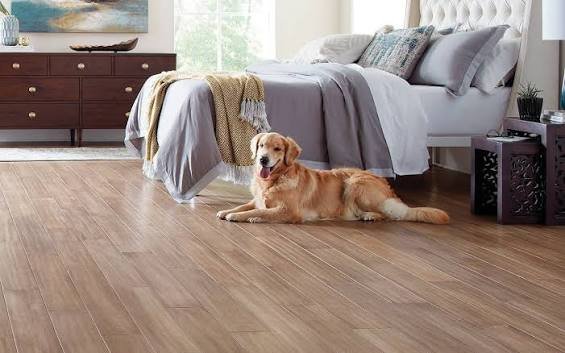
Modern vinyl isn’t the thin, cheap-looking stuff people remember from decades ago. Luxury Vinyl Plank (LVP) and Luxury Vinyl Tile (LVT) have genuinely improved — better texture, more realistic wood and stone patterns, and noticeably thicker wear layers that hold up to daily use.
There are a few main types available in the Indian market:
- Sheet vinyl: Comes in large rolls, best for bathrooms and kitchens where seamless water resistance matters
- Vinyl tiles: Individual tiles, easier to replace if one section gets damaged
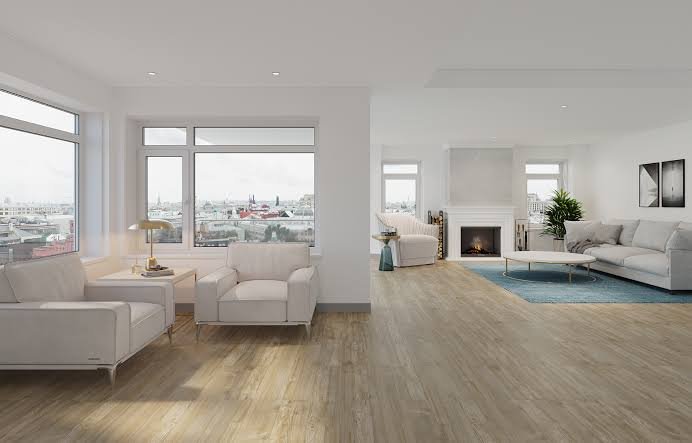
- Luxury vinyl planks (LVP): Designed to mimic hardwood, increasingly popular in living rooms and bedrooms
- SPC (Stone Plastic Composite) vinyl: A newer, more rigid variant that’s become quite popular for its extra durability
The Real Advantages of Vinyl Flooring
Let’s get into what actually works in vinyl’s favor, because there’s a fair bit to like here.
Water and Moisture Resistance
This is probably vinyl’s strongest selling point, hands down. Unlike hardwood, which warps and swells with moisture, vinyl handles water exposure remarkably well.
That makes it a genuinely smart choice for kitchens, bathrooms, and homes in humid coastal cities. I’ve noticed clients in places like Mumbai and Kochi gravitate toward vinyl specifically for this reason — wood just doesn’t hold up the same way in that kind of humidity.
Affordability Compared to Alternatives
Vinyl flooring in India typically costs ₹40-150 per sq. ft. depending on quality and type, compared to ₹150-400 per sq. ft. for engineered wood or ₹200-600+ for natural stone. For a 1,000 sq. ft. home, that’s a difference that can easily run into several lakhs.
Easy Installation and Maintenance
Most vinyl flooring installs faster than tile or wood — often in 1-3 days for an average home, compared to a week or more for tile work involving grouting and curing time.
Cleaning is straightforward too:
- Regular sweeping or vacuuming to remove grit (which can scratch the surface over time)
- Occasional damp mopping — no special cleaners usually required
- Avoid harsh abrasive cleaners, which can dull the protective wear layer
Comfort Underfoot
Vinyl has a slight give to it that hard materials like tile or stone simply don’t offer. Walk on vinyl versus marble for an extended period and you’ll feel the difference in your feet and lower back — small thing, but it matters for kitchens where you’re standing a lot.
The Real Drawbacks Nobody Mentions Enough
Direct answer: Vinyl flooring’s biggest drawbacks are lower resale value compared to natural materials, vulnerability to sharp object damage, and environmental concerns around PVC production and disposal. It also doesn’t hold up as well under prolonged direct sunlight.
Every flooring article seems to skip this part or rush through it. Let’s not do that.
Lower Resale and Perceived Value
Here’s my honest opinion, and it might ruffle a few feathers: vinyl, no matter how good it looks, doesn’t carry the same prestige as hardwood or natural stone when it comes time to sell your home. Buyers touring a property still associate wood and marble with quality, fairly or not.
Vulnerable to Sharp Objects and Heavy Furniture
Vinyl resists water beautifully but doesn’t handle sharp impacts well. Dragging furniture without protective pads, or dropping something heavy and pointed, can gouge or tear the surface — and unlike wood, you can’t sand out the damage.
Fades Under Prolonged Sunlight
Rooms with large windows and constant direct sun exposure can see vinyl discolor or fade over several years. Not immediately, but it happens. If you’ve got a sun-drenched balcony room, this is worth factoring in before committing.
Environmental Concerns
Vinyl is PVC-based, and disposal isn’t particularly eco-friendly compared to natural materials like wood or clay tile. If sustainability matters to you personally, this is a legitimate factor to weigh, not just marketing noise.
Vinyl Flooring Cost Breakdown for 2026
Pricing has stayed fairly stable heading into 2026, though quality tiers matter a lot here.
- Budget sheet vinyl: ₹40-70 per sq. ft.
- Mid-range vinyl tiles/planks: ₹70-120 per sq. ft.
- Premium LVP or SPC vinyl: ₹120-200 per sq. ft.
- Installation labor: typically ₹8-20 per sq. ft. extra, depending on complexity
For a 1,000 sq. ft. home going with mid-range vinyl planks, you’re looking at roughly ₹90,000-1,40,000 total including installation — noticeably less than most alternatives.
Vinyl vs Other Flooring Options
How does vinyl actually stack up against the competition? Here’s a quick, honest comparison.
Vinyl vs Tile: Vinyl is warmer underfoot and cheaper to install, but tile generally outlasts vinyl in high-traffic commercial-style use and handles heat better near kitchens.
Vinyl vs Wood: Vinyl wins decisively on water resistance and price. Wood wins on resale value and that genuine warmth and character that vinyl, even good vinyl, doesn’t fully replicate.
Vinyl vs Laminate: These two get confused constantly. Laminate is made from compressed wood fiber and isn’t nearly as water-resistant as vinyl — a meaningful difference if you’re flooring anywhere near moisture.
[link to related guide on home renovation budgeting here]
Where Vinyl Flooring Makes the Most Sense
Not every room needs the same flooring, and vinyl genuinely shines in specific spots rather than being a blanket solution for the whole house.
Picture a small business owner in Jaipur renovating a rented office space on a tight budget and timeline. Vinyl plank flooring got the whole space done in two days, handled the foot traffic of a small team just fine, and cost a fraction of what tile work would’ve run — with none of the mess or curing time. For a rental space where you’re not trying to maximize resale value, that trade-off made complete sense.
Best rooms for vinyl:
- Kitchens and bathrooms (moisture resistance is the priority here)
- Rental properties (cost-effective, quick turnaround between tenants)
- Basements or ground-floor rooms prone to dampness
- Home offices or study rooms where comfort underfoot matters
Rooms where I’d think twice:
- Formal living rooms or spaces central to resale value
- Rooms with heavy direct sunlight for most of the day
- Areas with frequent heavy furniture movement
How to Choose the Right Vinyl Flooring for Your Home
Direct answer: Choose vinyl thickness and wear layer based on room traffic — 20mil+ wear layers for high-traffic areas, 12-20mil for moderate use. SPC vinyl suits areas needing extra durability, while standard LVP works well for bedrooms and low-traffic spaces.
A few practical tips before buying:
- Check the wear layer thickness, not just the overall plank thickness — this determines how long the surface holds up
- Ask for a sample and check it under your room’s actual lighting, not showroom lighting, which flatters everything
- If budget allows, go with SPC over standard LVP for kitchens and high-traffic zones — the extra rigidity pays off
- Confirm warranty terms; decent vinyl typically comes with 10-15 year warranties on wear layers
Frequently Asked Questions
Is vinyl flooring good for Indian homes? Yes, particularly in humid regions or high-moisture rooms like kitchens and bathrooms. It handles India’s climate variations reasonably well, though direct, prolonged sun exposure can cause fading over time.
How long does vinyl flooring typically last? Good quality vinyl flooring lasts 10-20 years with proper care, depending on wear layer thickness and foot traffic. Budget options on the lower end, premium SPC vinyl toward the higher end.
Does vinyl flooring reduce a home’s resale value? It can, compared to hardwood or natural stone, since buyers often perceive vinyl as a budget material. That said, it’s rarely a dealbreaker, especially in kitchens or bathrooms where practicality matters more.
Can vinyl flooring be installed over existing tiles? Often yes, as long as the existing surface is level and in reasonably good condition. This can actually save on removal costs, though a professional should assess the subfloor first.
Is vinyl flooring waterproof or just water-resistant? Most vinyl is highly water-resistant, and some premium SPC options are genuinely waterproof. Always check product specifications, since this varies between manufacturers and product lines.
What’s the maintenance routine for vinyl flooring? Regular sweeping, occasional damp mopping, and avoiding harsh abrasive cleaners. Also worth using furniture pads to prevent scratches from dragging chairs or tables.
Conclusion
Weighing vinyl flooring pros and cons honestly comes down to matching the material to the right room, not assuming it’s universally great or universally cheap-looking. It wins big on water resistance, cost, and installation speed — and loses some ground on resale value and sharp-object durability.
If you’re flooring a kitchen, bathroom, or rental property on a reasonable budget, vinyl is genuinely worth serious consideration in 2026. For a formal living room you’re banking on for resale value someday, it’s worth weighing against wood or tile first. Get a sample piece home before deciding — how it looks under your own lighting tells you more than any showroom display ever will.