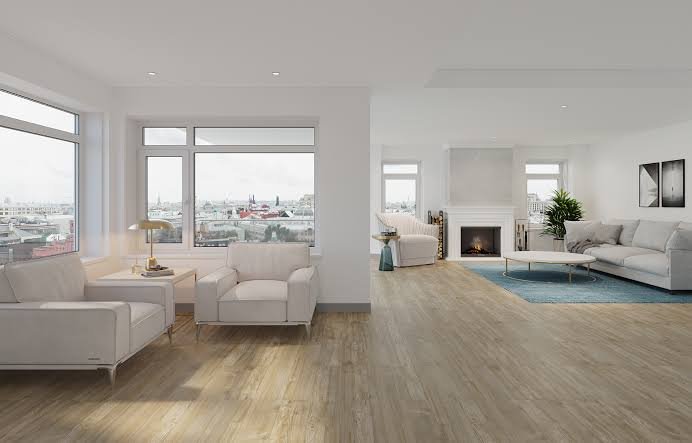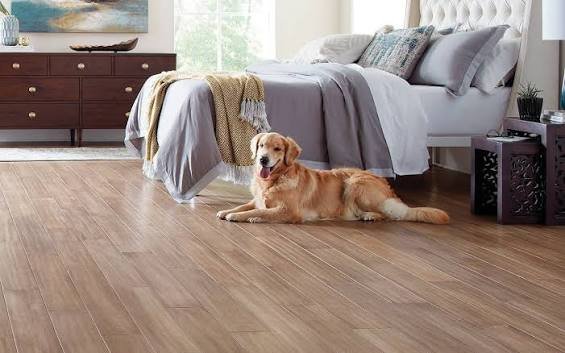
Anyone who’s watched a dog skid across a marble floor chasing a ball knows the panic of that moment — will he slip, will the floor scratch, will this end in a vet visit? Pet owners renovating a home have a genuinely different set of priorities than everyone else house-hunting for flooring.
Finding the best flooring for pets isn’t just about looks. It’s about scratch resistance, how easy accidents are to clean, grip underfoot, and honestly, your own sanity levels after the fifth muddy paw print of the day. I’ve worked with quite a few pet-owning clients over the years, and the ones who plan flooring around their pets from day one end up far happier than those who retrofit later. In 2026, there are more pet-friendly options on the Indian market than ever, so let’s actually compare what works.
What Makes Flooring “Pet-Friendly” in the First Place
Direct answer: Pet-friendly flooring needs scratch resistance, good traction (not slippery when wet), easy stain and odor cleanup, and durability against chewing or digging behavior. No single material scores perfectly on all four — it’s about picking the best trade-off for your specific pet.
People assume “pet-friendly” means one specific material. It doesn’t. It’s really four separate qualities, and different floors excel at different ones.
- Scratch resistance — matters hugely for dogs, less so for cats who mostly stay off the ground running around
- Traction — smooth, polished surfaces can genuinely injure pets over time from repeated slipping, especially older dogs with joint issues
- Cleanability — accidents happen, and porous materials that absorb stains and odor become a long-term headache
- Durability against claws and chewing — puppies especially go through a chewing phase that can wreck softer materials
A floor that nails three out of four might still be the wrong choice if that fourth quality is the one that matters most for your specific pet. A senior dog with hip issues cares way more about traction than scratch resistance, for instance.
Vinyl Flooring for Pet Owners
Vinyl consistently comes up as one of the top recommendations for pet owners, and for good reason.
It handles moisture and accidents remarkably well — spills wipe up easily without soaking in and causing lingering odor. Scratch resistance varies by quality, but SPC (Stone Plastic Composite) vinyl in particular holds up well against claws, better than standard laminate or softer vinyl sheets.
[link to related guide on vinyl flooring pros and cons here]
Cost-wise, expect ₹70-150 per sq. ft. for decent quality pet-friendly vinyl, which sits in a reasonable middle ground — not the cheapest option, but far less than hardwood or stone.
One thing I’ve noticed: pet owners often underestimate how much traction matters until their dog actually slips a few times. Textured vinyl finishes genuinely help here, more than the smooth glossy options that look nicer in showrooms but perform worse in real pet households.
Tile Flooring: Good and Bad for Pets
Tile gets recommended a lot for pets, and it deserves credit for durability — but it’s not without real downsides worth knowing upfront.
What works well:
- Extremely scratch-resistant, claws barely make a dent
- Easy to clean, doesn’t absorb odors or stains
- Stays cool, which pets often appreciate during Indian summers
What doesn’t work as well:
- Can be slippery, especially glazed or polished tile — a real risk for older or larger dogs
- Hard surface means joint stress for senior pets over time
- Grout lines trap dirt and pet hair if not sealed properly
If you’re set on tile, go with matte or textured finishes rather than glossy ones. It’s a small spec change that makes a genuine difference in grip. Unglazed porcelain tile, in particular, tends to strike a decent balance between durability and traction.
Laminate Flooring: Proceed with Caution
Direct answer: Laminate flooring is generally not ideal for pets due to poor moisture resistance and vulnerability to scratches from claws. If chosen, opt for high-AC-rated laminate (AC4 or above) and be prepared for more frequent maintenance than vinyl or tile.
I’ll be upfront here — laminate is probably my least favorite recommendation for pet households, and I say that having installed it in a few client homes that later regretted the choice.
The core problem is moisture. Laminate’s core layer, usually made from compressed wood fiber, swells and warps when exposed to repeated moisture — and pet accidents are basically guaranteed moisture exposure over time, no matter how quick you are with cleanup.
If budget constraints mean laminate is your only realistic option, at minimum look for:
- AC4 or AC5 rated laminate (higher abrasion resistance ratings)
- Textured, embossed finishes rather than smooth, glossy ones
- Tight, well-sealed seams to minimize moisture seepage between planks
Hardwood Flooring and Pets: A Tricky Combination
Hardwood is genuinely beautiful, and I get why people want it even with pets in the house. But let’s be honest about the trade-offs.
Claws scratch hardwood, period — even smaller dogs leave marks over time, and larger breeds do it faster. Softer wood species like pine show damage noticeably quicker than harder options like oak or teak.
Picture a small business owner in Jaipur who installed teak flooring in her home before adopting a Labrador puppy. Within eight months, visible scratch patterns had formed near doorways and high-traffic zones where the dog ran most. She doesn’t regret the dog, obviously — but she’s mentioned wishing she’d chosen engineered wood with a harder finish, or gone with vinyl planks instead, given how the flooring turned out.
If hardwood is non-negotiable for you:
- Choose harder wood species (oak, teak, or bamboo, which is technically a grass but performs similarly)
- Keep pet nails trimmed regularly — this alone reduces scratching significantly
- Use area rugs in high-traffic pet zones to protect the most vulnerable sections
- Apply a durable polyurethane finish, which adds a meaningful scratch-resistant layer
Cost Comparison Across Pet-Friendly Flooring Options
Budget plays a real role in this decision, so here’s a straightforward comparison for a typical 1,000 sq. ft. home:
- Vinyl (SPC or quality LVP): ₹90,000-1,80,000 — best overall balance for most pet owners
- Ceramic or porcelain tile: ₹1,00,000-2,50,000 — great durability, watch the traction issue
- Laminate (AC4+): ₹70,000-1,40,000 — budget-friendly but higher long-term maintenance risk
- Engineered hardwood: ₹1,80,000-3,50,000 — beautiful but demands more careful pet management
None of these numbers include installation labor, which typically adds another ₹8-25 per sq. ft. depending on material and complexity.
Practical Tips Beyond Just Choosing Material
Direct answer: Beyond material choice, pet-friendly flooring benefits from rugs in high-traffic zones, regular nail trimming, prompt accident cleanup, and matte rather than glossy finishes for better traction. These habits matter as much as the flooring itself.
Material selection only solves part of the problem. A few habits genuinely extend any floor’s life in a pet household:
- Trim your pet’s nails every 3-4 weeks — this single habit reduces scratching more than any flooring upgrade
- Keep a designated cleaning kit near pet zones for quick accident response
- Use washable rugs or mats near food and water bowls, where spills happen most
- Consider paw-friendly furniture pads to prevent additional wear near favorite lounging spots
Has this ever happened to you — you find a stain weeks later that could’ve been avoided with a five-minute cleanup at the time? Quick response really does matter more than people assume.
Which Flooring Fits Which Pet Situation
Not every pet creates the same flooring stress. A senior cat and an energetic young Labrador have completely different needs.
For dogs (especially large or active breeds): Prioritize scratch resistance and traction — SPC vinyl or matte-finish tile generally work best.
For cats: Scratching is less of a floor concern (they’re usually up on furniture, not scrambling across the room), so cleanability and stain resistance from litter tracking matter more. Most materials work reasonably well here.
For senior or joint-sensitive pets: Traction becomes the top priority. Avoid glossy tile or polished stone entirely — textured vinyl or matte tile is the safer bet.
For puppies still in a chewing phase: Keep flooring choices durable and avoid anything with edges or seams that invite chewing, at least until that phase passes.
Frequently Asked Questions
What is the best flooring for pets that also looks good? SPC vinyl in wood-look finishes tends to strike the best balance — good scratch resistance, easy cleanup, and a realistic wood appearance without the vulnerability of actual hardwood.
Is tile or vinyl better for dogs? Vinyl generally wins for most dog owners due to better traction and comfort underfoot. Tile is more scratch-resistant but can be slippery, which is a real concern for larger or older dogs.
Does carpet work for pet owners? Not usually recommended, since carpet absorbs odors, stains, and pet hair deeply, making long-term cleaning difficult. If you love carpet, consider it only in low-traffic rooms your pets rarely enter.
How do I stop my dog from slipping on hard flooring? Choose matte or textured finishes over polished ones, use rugs with non-slip backing in main walkways, and keep nails trimmed short, which improves grip noticeably.
Can hardwood flooring survive with dogs in the house? It can, but expect some wear over time, especially with larger or more active dogs. Harder wood species, regular nail trims, and protective rugs in high-traffic zones all help extend its life.
What flooring is easiest to clean pet hair and stains from? Vinyl and sealed tile are generally easiest, since they’re non-porous and wipe clean without absorbing odor or stains. Textured surfaces trap slightly more hair but are still manageable with regular vacuuming.
Conclusion
There’s no single perfect answer when it comes to the best flooring for pets — it genuinely depends on your pet’s size, age, and habits, plus your own budget and maintenance tolerance. Vinyl tends to hit the sweet spot for most households, while tile and hardwood each come with trade-offs worth weighing honestly before you commit.
Before finalizing anything, watch how your specific pet moves through your current space — where they run, where they nap, where accidents tend to happen. That real-world observation will guide you toward the right material far better than any generic recommendation, including this one.