Standing in the paint aisle, staring at a wall of color cards, and having absolutely no idea how many liters to buy — we’ve all been there. Buy too little and you’re making a second trip mid-project, paint drying at different rates and sometimes even looking slightly off in tone. Buy too much and you’ve wasted a few hundred rupees on a can that’ll sit in your store room for years.
Figuring out how much paint do I need isn’t complicated once you know the formula, but most people either eyeball it (bad idea) or just ask the guy at the paint shop and hope he’s right (also, often, a bad idea — no offense to paint shop guys, but they tend to round up). In 2026, with paint prices what they are, getting this calculation right actually saves real money. Let’s walk through the actual math, plus a few things the standard calculators don’t tell you.
The Basic Paint Calculation Formula
Direct answer: To calculate how much paint you need, multiply the total wall area (length × height in feet) by the number of coats, then divide by the paint’s coverage rate (typically 120-140 sq. ft. per liter). This gives you the total liters required for the job.
Here’s the formula written out simply:
(Wall Area × Number of Coats) ÷ Coverage per Liter = Liters Needed
Let’s break down each part, because the devil’s really in these details.
Wall area means length times height, for each wall, added together. Most people forget to subtract door and window areas, which can throw off the math by 10-15% on rooms with lots of openings.
Number of coats matters more than people think. A single coat rarely gives even coverage, especially over a darker existing color or a patchy wall. Two coats is the standard for most jobs; three if you’re going from a dark color to a much lighter one.
Coverage per liter varies by paint brand and type:
- Standard emulsion paints: roughly 120-140 sq. ft. per liter
- Premium/luxury emulsions: often 140-160 sq. ft. per liter (thicker formulation, better coverage)
- Textured or exterior paints: usually lower, around 80-100 sq. ft. per liter due to thicker application
Room-by-Room Paint Quantity Examples
Numbers make more sense with actual examples, so here’s a few common room sizes worked out.
Standard bedroom (12ft × 10ft, 9ft ceiling height): Wall area (before subtracting openings) comes to roughly 396 sq. ft. Subtract about 40 sq. ft. for a door and window, leaving 356 sq. ft. For two coats: 356 × 2 = 712 sq. ft. total coverage needed. At 130 sq. ft. per liter, that’s roughly 5.5 liters.
Living room (16ft × 14ft, 10ft ceiling): Wall area comes to around 600 sq. ft., minus roughly 60 sq. ft. for openings, giving 540 sq. ft. Two coats means 1,080 sq. ft. total. At 130 sq. ft. per liter, you’d need about 8.3 liters — practically, round up to two 4-liter cans plus a bit extra.
Small bathroom (8ft × 6ft, 9ft height): Wall area is roughly 252 sq. ft., minus about 20 sq. ft. for door and window, leaving 232 sq. ft. Two coats brings it to 464 sq. ft., needing around 3.6 liters.
I always round up slightly on these calculations — buying an extra half-liter is cheap insurance against running short mid-coat, which is genuinely annoying when the shop’s already closed for the day.
Don’t Forget the Ceiling
Direct answer: Ceilings need separate calculation from walls — multiply room length by width to get ceiling area, then apply the same coverage math. Ceiling paint often needs slightly more coats since it’s usually a different, flatter finish than wall paint.
People calculate wall paint carefully and then completely forget the ceiling exists until they’re standing there with a roller and nothing left in the can.
Ceiling area is simply length times width (not height — ceilings are flat, obviously, but this trips people up more than you’d expect when they’re doing quick mental math).
For that same 12ft × 10ft bedroom, ceiling area is 120 sq. ft. Two coats means 240 sq. ft. total, needing about 2 liters of ceiling paint — which is often a different formulation than wall emulsion, so don’t assume leftover wall paint automatically works here.
Factors That Change How Much Paint You’ll Actually Use
The formula gives you a solid baseline, but real-world factors push the number up or down.
- Wall texture — rough or textured walls absorb more paint than smooth ones, sometimes 15-20% more
- Wall porosity — new plaster or unpainted walls soak up significantly more paint than a wall being repainted
- Color change intensity — going from white to a deep red or navy might need an extra coat, sometimes even a primer coat specifically for the color transition
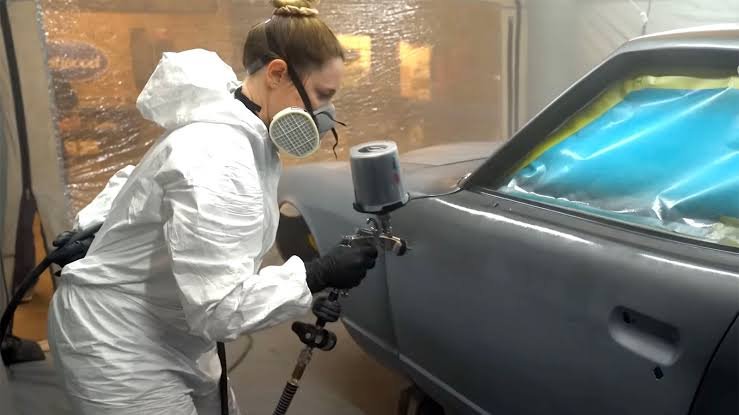
- Application method — spray application typically uses more paint than roller or brush due to overspray
- Paint quality — cheaper paints often need an extra coat to achieve the same coverage a premium paint gets in two
Has this ever happened to you — you bought exactly enough paint based on a calculator, then discovered halfway through that the wall was thirstier than expected? Building in a 10% buffer avoids that scramble.
Primer: A Separate Calculation Most People Skip
Direct answer: Primer coverage generally matches paint coverage rates (120-140 sq. ft. per liter), and one coat is usually sufficient unless covering a drastic color change or bare plaster. Skipping primer on new walls often means needing an extra paint coat instead, which costs more overall.
Primer gets treated as optional by a lot of homeowners trying to save money, and honestly, that’s usually a false economy.
New plaster, previously dark walls, or any surface with stains or patchwork genuinely benefits from a primer coat first. It seals the surface, helps paint adhere evenly, and — this is the part people miss — often means you need one less coat of the actual paint, which can offset the primer’s cost entirely.
For our example bedroom (356 sq. ft. of wall area), one coat of primer at similar coverage rates would need about 2.7 liters.
Exterior Paint Calculations Work Differently
Exterior walls follow the same basic formula, but a few things shift the numbers.
Exterior paint typically covers less area per liter — often 80-110 sq. ft. compared to interior emulsion’s 120-140 sq. ft. — because exterior formulations are thicker to handle weather exposure. Rough exterior textures like sponge finish or textured plaster absorb noticeably more paint too.
[link to related guide on home renovation budgeting here]
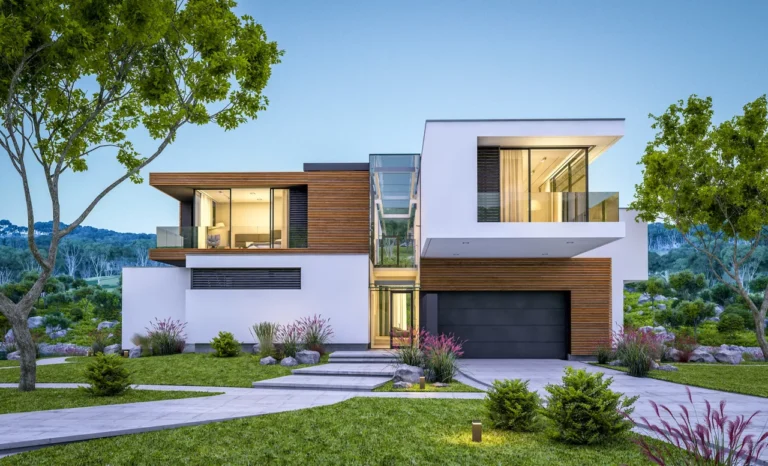
For a typical independent house exterior in India, running maybe 1,800-2,200 sq. ft. of wall surface, expect to need 15-20 liters for two coats, depending on texture and paint quality. That’s a meaningful budget line, so calculate it carefully rather than guessing.
Common Mistakes When Estimating Paint Quantity
A handful of mistakes show up again and again, and they’re easy to avoid once you know to watch for them.
- Forgetting to subtract door and window area, which inflates the estimate unnecessarily
- Assuming one coat is enough — it almost never is for a clean, even finish
- Not accounting for wall texture or porosity differences between rooms
- Buying paint from different batches for the same room — slight color variation between batches is real and noticeable
- Underestimating trim, skirting, and door frame paint separately from wall paint
That third one bites people more than expected. Always try to buy your full estimated quantity in one purchase, from the same batch number if the shop tracks that, since even the same shade can shift subtly between manufacturing runs.
Should You Round Up or Buy Exact Quantities?
Direct answer: Always round up when buying paint — a 5-10% buffer above your calculated amount protects against wall porosity variations, touch-ups, and future minor repairs, without significantly increasing cost given how paint is typically sold in fixed liter sizes anyway.
Paint typically comes in fixed sizes — 1 liter, 4 liters, 10 liters, 20 liters — so you’re rounding up somewhat regardless. The real decision is whether to round up generously or just barely.
My honest take: buy enough for at least one full touch-up round down the line. Walls get scuffed, nail holes get patched, and having matching paint on hand saves you from either an awkward color mismatch or another trip to the store for what should’ve been a five-minute fix.
[link to related guide on vinyl flooring pros and cons here]
Frequently Asked Questions
How much paint do I need for a 1,000 sq. ft. house? For interior walls with two coats, expect roughly 25-35 liters total, depending on room layout, wall texture, and how many doors/windows reduce actual paintable area.
Does paint coverage differ between brands? Yes, meaningfully. Premium paints often cover 140-160 sq. ft. per liter versus 120-130 for budget options, which can offset a higher per-liter price through needing less overall quantity.
How many coats of paint do I actually need? Two coats is standard for most color changes. Three coats are worth budgeting for if you’re going from a dark existing color to a significantly lighter new one, or vice versa.
Is it cheaper to buy paint in bulk cans or smaller ones? Bulk cans (10L or 20L) are almost always cheaper per liter than multiple smaller cans. If your total calculation exceeds 8-10 liters, buying one larger can usually saves money.
Do I need different paint for ceilings versus walls? Generally yes — ceiling paint is often a flatter finish designed to minimize glare and hide imperfections, while wall paint comes in various sheens. Check with your paint shop before assuming they’re interchangeable.
How do I calculate paint for an oddly shaped room? Break the room into simpler rectangular sections, calculate each separately, then add them together. It’s more tedious than a single rectangular room, but far more accurate than trying to estimate the whole irregular shape at once.
Conclusion
Figuring out how much paint do I need really comes down to one formula — wall area times number of coats, divided by coverage rate — with a bit of common sense layered on top for texture, porosity, and color changes. Skip the guesswork, and you’ll avoid both the wasted money of over-buying and the annoying mid-project trip when you’ve under-bought.
Before your next painting project, measure your rooms properly, run the numbers using the formula above, and add that 5-10% buffer for peace of mind. It takes maybe fifteen extra minutes and saves you a genuinely frustrating afternoon standing in a paint shop queue with a half-painted wall waiting at home.