Drive through any newly developed colony in India these days and you’ll notice something — everyone’s suddenly bored of the same beige-and-white combo their parents’ generation loved. Exterior color choices have genuinely shifted, and picking the right one now matters more for resale value than it did even a decade ago.
Finding the best exterior paint colors for your home isn’t just about following trends, though trends do matter for resale appeal. It’s about balancing what looks good, what survives your local climate, and what doesn’t make your house look like it’s trying too hard next to the neighbors’ more restrained choices. I’ve seen homeowners chase a trendy color from a Pinterest board that looked stunning in that photo’s soft evening light, then hated it under the harsh afternoon sun of an actual Indian summer. In 2026, there’s a genuinely good mix of timeless and fresh options worth considering. Let’s get into it.
Why Exterior Paint Color Choice Matters More Than People Think
Direct answer: Exterior paint color affects resale value, heat absorption, maintenance frequency, and how well the home ages visually over 5-10 years. Lighter colors reflect heat better in hot climates, while darker shades show dirt and fading faster under direct sun exposure.
This isn’t just an aesthetic decision, even though it feels like one while you’re flipping through color swatches. Color choice has real, practical consequences.
Darker exteriors absorb more heat, which can genuinely raise indoor temperatures during peak summer months — not dramatically, but enough to notice on your electricity bill if you’re running AC constantly. Lighter shades reflect more sunlight and tend to keep exteriors a few degrees cooler.
Color also affects how visible dust and pollution staining becomes over time. I’ve noticed medium-toned colors, neither too light nor too dark, tend to hide dust accumulation best between repaints — something homeowners rarely think about until year two, when the house starts looking noticeably duller than the day it was painted.
Top Exterior Paint Color Trends for 2026
Trends shift, sure, but a few directions have stood out clearly this year across Indian homes.
Warm neutrals are having a real moment. Terracotta, sandstone, and warm beige tones are replacing the stark whites and greys that dominated the last several years. These colors work particularly well in Rajasthan and similar regions, honestly complementing the existing sandstone architecture found throughout cities like Jaipur.
Deep, muted greens have grown popular for accent walls and trims, paired with lighter neutral bases. It’s a sophisticated look that photographs well and ages gracefully compared to brighter, trendier colors that can feel dated within a few years.
Charcoal and deep grey accents continue trending, especially for modern architectural styles with clean lines — though I’d caution against using dark colors as the primary exterior color in hot regions, for the heat-absorption reasons mentioned above.
Two-tone combinations are increasingly common — a lighter base color with a contrasting darker trim or accent wall, rather than one flat color across the whole exterior. This adds visual depth without committing fully to a bold, potentially polarizing single shade.
A few specific combinations worth considering:
- Sandstone beige base with deep brown window trims
- Off-white or cream base with terracotta accent panels
- Warm grey base with charcoal black door and trim details
- Soft sage green base with white trim for a fresher, modern look
Best Colors for Hot, Sunny Climates
Direct answer: In hot climates like Rajasthan, light to medium-toned colors such as sandstone, warm beige, off-white, and pale terracotta reflect heat best while resisting visible fading. Avoid pure black, dark navy, or deep charcoal as primary colors, since these absorb significant heat and fade noticeably faster.
Living somewhere that hits 45°C in peak summer changes your priorities considerably compared to, say, someone painting a home in Shimla or Darjeeling.
Light and medium shades genuinely perform better here, both functionally and visually:
- Sandstone/warm beige — reflects heat well, blends naturally with the regional architectural palette, and hides dust reasonably well
- Off-white with warm undertones — classic, resale-friendly, though pure stark white shows dirt faster than warm-toned whites
- Pale terracotta — works beautifully against Rajasthan’s natural stone backdrop, moderate heat reflection
- Soft sage or muted green — increasingly popular, reflects heat reasonably well while standing out from the sea of beige and white
Picture a small business owner in Jaipur who repainted her home’s exterior last year, switching from a dark grey she’d chosen five years earlier to a warm sandstone shade. She mentioned noticing her top floor felt noticeably less hot by afternoon — anecdotal, sure, but it lines up with what heat-reflection data on paint colors generally shows.
Best Colors for Coastal and Humid Regions
Different climate, different priorities. Coastal cities like Mumbai, Chennai, and Kochi deal with humidity, salt air, and heavier monsoon exposure rather than dry heat.
In these regions, paint durability against moisture matters as much as the color itself. That said, within durable exterior paint options, a few color families tend to hold up visually better:
- Muted blues and greys — complement coastal aesthetics and hide humidity-related staining reasonably well
- Warm off-whites — classic choice, though requires more frequent cleaning in high-humidity, high-pollution areas
- Deep greens — hide algae or moss discoloration (a real issue in constantly humid climates) better than lighter colors
[link to related guide on roof replacement cost here]
How to Choose Colors That Match Your Home’s Architecture
Not every color suits every architectural style, and this is where a lot of homeowners go wrong — picking a color they love in isolation without considering how it’ll actually read against their home’s design.
Traditional Rajasthani-style homes with jharokhas and stone detailing generally pair better with warm, earthy tones — terracotta, sandstone, warm browns — that complement rather than compete with the architectural detailing.
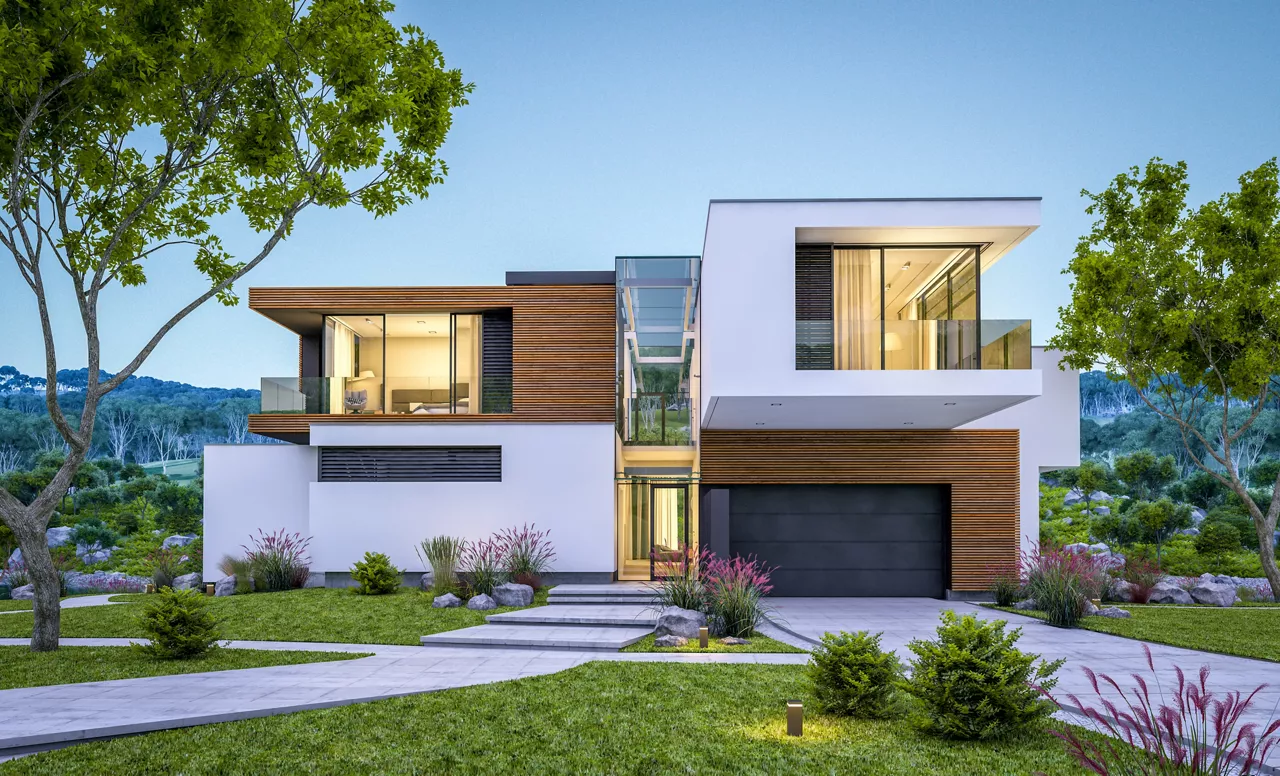
Modern minimalist homes with clean lines tend to suit cooler, more restrained palettes — whites, greys, muted blacks — where the architecture itself becomes the visual interest rather than the color.
A few practical questions to ask before committing:
- Does my home have significant stone or brick detailing that a color choice should complement, not clash with?
- What colors dominate my immediate neighborhood — do I want to blend in or stand out?
- Does my roofing material (tile, metal, RCC) suggest certain color pairings naturally?
Testing Paint Colors Before Committing
Direct answer: Always test exterior paint colors on an actual wall section, viewed at different times of day, before committing to the full job. Paint swatches and digital renderings routinely look different under real sunlight conditions than they do in a shop or on a screen.
This step gets skipped constantly, and it’s honestly the single biggest mistake homeowners make with exterior color selection.
A color that looks perfectly warm and inviting on a small paper swatch under fluorescent shop lighting can look completely different — sometimes jarringly different — once applied to an actual wall under direct sun.
Here’s a better process:
- Buy small sample cans (most brands offer these for ₹150-400) of your top 2-3 choices
- Paint a section at least 2ft × 2ft on an actual exterior wall, ideally in a spot that gets both sun and shade during the day
- Check the color at morning, midday, and evening light — the shift can be significant
- Let the sample dry fully for at least 24 hours before judging, since wet paint looks noticeably different from cured paint
Skipping this step to save a few days’ time has cost more than a few clients a full repaint within a year. It’s just not worth the risk.
Exterior Paint Cost Considerations for 2026
Color choice doesn’t usually change cost much, but paint quality and finish type do, so it’s worth budgeting alongside your color decision.
Standard exterior emulsion typically runs ₹250-400 per liter, while premium weather-resistant options with better UV and moisture protection run ₹400-700 per liter. For a typical 1,800-2,200 sq. ft. exterior wall area, that translates to roughly ₹35,000-65,000 for paint alone, before labor.
[link to related guide on how much paint you need here]
Darker and more saturated colors sometimes need an extra coat to achieve even, rich coverage, which can add 10-15% to your total paint quantity and cost — worth factoring in if you’re set on a bold, deep shade.
Maintenance Considerations by Color Choice
Some colors simply demand more upkeep than others, and it’s worth knowing this before you fall in love with a shade that’ll have you repainting every three years instead of six or seven.
Darker colors fade faster under UV exposure and show that fading unevenly, which looks worse than a uniformly lighter color that’s simply gotten a bit dusty. Lighter colors show dirt and staining more visibly but fade less dramatically over time.
Medium-toned earthy colors — the sandstones, warm beiges, muted terracottas — tend to offer the best middle ground here, hiding both dust and gradual fading reasonably well between repaint cycles.
Frequently Asked Questions
What are the most popular exterior paint colors in 2026? Warm neutrals like sandstone and terracotta, muted sage greens, and two-tone combinations with darker trim accents are leading trends this year, moving away from the flat whites and greys popular a few years back.
What exterior paint color is best for hot climates like Rajasthan? Light to medium warm tones — sandstone, warm beige, pale terracotta — work best, since they reflect heat effectively while complementing the region’s natural stone architecture and hiding dust reasonably well.
How often should exterior paint be redone? Generally every 5-7 years for standard paint, though this varies by climate exposure, paint quality, and color choice. Darker colors and coastal/high-humidity regions often need repainting sooner.
Does exterior paint color affect resale value? Yes, meaningfully. Neutral, timeless colors tend to appeal to a broader range of buyers, while very bold or unusual color choices can actually work against resale appeal, even if you personally love them.
Should exterior and interior paint colors match or coordinate? They don’t need to match directly, but some coordination helps create a cohesive feel, especially visible through windows and doorways. A jarring contrast between interior and exterior tones can feel disjointed.
What’s the biggest mistake people make choosing exterior paint colors? Picking a color from a small swatch or online image without testing it on an actual wall under real sunlight. Colors shift significantly between screens, shop lighting, and outdoor conditions.
Conclusion
Picking the best exterior paint colors for your home in 2026 really comes down to balancing personal taste against practical realities — your climate, your architecture, and how much maintenance you’re genuinely willing to keep up with over the years. Warm neutrals and earthy tones are having a strong moment, and for good reason, but the “best” color is ultimately the one that suits your specific home and region.
Before committing to a full repaint, test your top choices on an actual wall section and live with them for a few days across different light conditions. It’s a small extra step that saves you from an expensive do-over — and honestly, from years of looking at a color you talked yourself into rather than one you actually love.