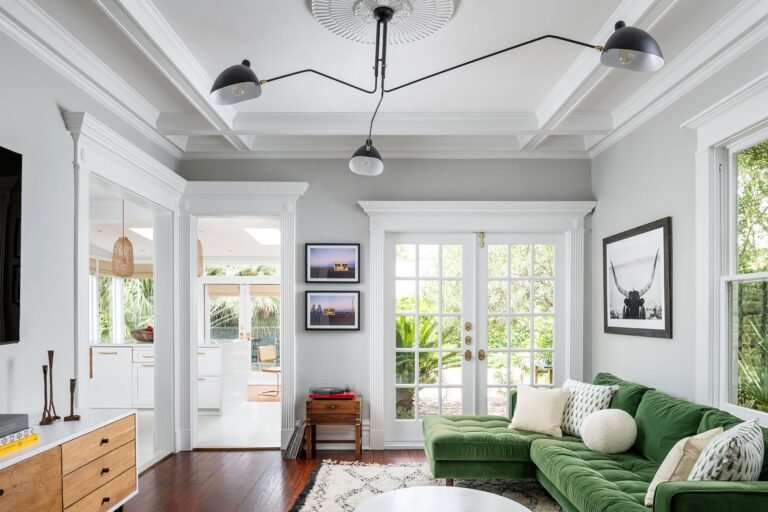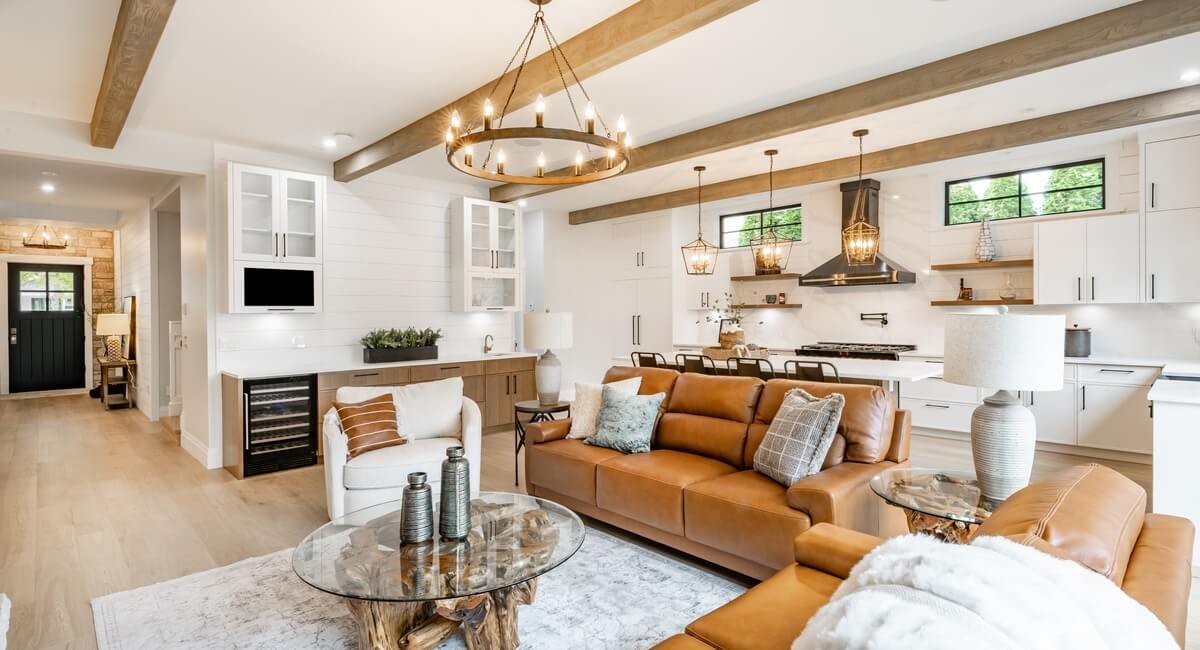
You’ve probably seen the numbers — full home renovations in India routinely cross ₹8-15 lakh, and that’s before anything goes wrong (something always goes wrong). So what do you do if you want your property to actually be worth more, but you don’t have that kind of money lying around, or honestly, the patience for a six-month construction mess? Turns out, there are real increase home value tips that don’t involve knocking down walls or living with dust for a year. Some cost a few thousand rupees. Others cost a Saturday afternoon. I’ve watched a friend sell her 2BHK in Pune for nearly 8% above the neighborhood average using exactly this kind of low-cost prep, and no, she didn’t touch the kitchen tiles once.
Why Small Changes Move the Needle More Than You’d Think
Buyers and appraisers aren’t walking through your home with a checklist of “did they redo the flooring.” They’re forming an impression in the first 90 seconds, and that impression is built almost entirely from small, visible details.
Quick answer: Small, visible fixes — fresh paint, better lighting, decluttering, fixing obvious damage — often influence a buyer’s perceived value more than expensive structural changes, because buyers judge a home emotionally within the first few minutes of walking in.
I’ll admit this surprised me the first time a real estate agent told me. She said buyers “fall in love or don’t” almost immediately, and everything after that first impression is just them justifying the decision they already made. Whether that’s exactly true or not, it lines up with what I’ve seen happen at open houses.
1. Fresh Paint Is Still the Highest ROI Move There Is
This is probably the single most repeated piece of advice in real estate, and it’s repeated because it’s true. A freshly painted home just looks newer, cleaner, cared for.
Stick to neutral tones — warm whites, light greys, soft beiges. Bold colors might be your taste, but they’re not everyone’s, and a buyer mentally repainting a room in their head is a buyer thinking about extra cost, which drags down their offer.
Budget roughly ₹8,000-₹15,000 for a full 2BHK repaint with decent quality paint and labour. Compare that to what even a small kitchen renovation costs, and it’s not close.
2. Fix Anything That Screams “Deferred Maintenance”
Buyers notice leaky taps. They notice cracked switchboards, water stains on the ceiling, a wobbly railing. These things cost almost nothing to fix but cost you a lot in perceived value if left alone — because a buyer’s brain jumps straight to “what else is wrong that I can’t see?”
Walk through your home like a stranger would. Actually do this — it’s uncomfortable but useful. Note every small thing that’s broken, stained, or squeaky.
- A leaking tap (fix: ₹200-₹500 for a plumber visit)
- Ceiling water stains (fix: touch-up paint, under ₹500)
- Loose door handles or hinges (fix: under ₹300)
- Cracked switchboard covers (fix: ₹50-₹150 per switchboard)
None of this is glamorous work. But an appraiser’s report absolutely notes “condition” as a factor, and so does every buyer’s gut feeling.
3. Improve Curb Appeal Before Anyone Steps Inside
Here’s something people underestimate constantly: the exterior and entrance set the tone before a buyer even walks in. If the gate’s rusted and the entrance looks neglected, buyers assume the inside will disappoint too, even before they’ve seen it.
A fresh coat of paint on the main door, a clean gate, some potted plants near the entrance, and a working doorbell go a surprisingly long way. Total cost is usually under ₹3,000.
Picture a flat in a Bangalore apartment complex where every other unit’s entrance looks identical and beige. The one owner who added a small planter and repainted their door stands out — not because it’s expensive, but because it signals the place is cared for.
[link to related guide about curb appeal ideas here]
4. Declutter and Depersonalize — Then Do It Again
I know this gets repeated everywhere, but most people still don’t do it thoroughly enough. Buyers need to picture themselves living in the space, and that’s genuinely hard to do when every shelf is full of your family photos and knick-knacks.
Quick answer: Decluttering and depersonalizing a home costs nothing but effort, yet real estate agents consistently rank it among the top three factors that affect how fast a home sells and how close it gets to the asking price.
Pack away at least 30% of what’s visible — books, personal photos, extra furniture crowding a room. Rent a small storage unit for a month if you have to (roughly ₹1,000-₹2,000/month in most cities). It’s worth it.
5. Update Lighting Fixtures and Bulbs
Old, yellowed tube lights and dated fixtures make even a well-maintained home look tired. This is one of the cheapest increase home value moves on this list, and one of the most visually effective.
Swap harsh cold lighting for warm-white LED bulbs throughout — costs about ₹150-₹300 per bulb. Replace any obviously dated fixtures in the living room and entrance, which is usually just two or three fixtures per home, not the whole electrical setup.
Natural light matters too. Clean the windows (yes, actually clean them, not just wipe the visible dust) and pull curtains fully open during showings. It’s such a small thing, but rooms photograph and feel noticeably bigger and brighter.
6. Modernize Kitchen and Bathroom Hardware — Not the Whole Room
You don’t need a full kitchen renovation to make it look updated. Cabinet handles, tap fittings, and a new kitchen sink faucet can transform the whole feel of the room for a small fraction of a remodel’s cost.
- New cabinet handles across the kitchen: ₹1,500-₹3,000
- A modern-looking bathroom tap: ₹800-₹2,000 per fixture
- A new toilet seat if the old one’s stained or cracked: ₹500-₹1,200
I’ve noticed buyers specifically comment on kitchens and bathrooms more than any other room — it’s where “dated” or “fresh” registers most strongly, probably because these are the rooms people actually touch and use daily, not just look at.
7. Get a Pre-Sale Inspection and Fix What It Finds
This one’s slightly different from the rest — it costs a bit more (₹3,000-₹6,000 for a decent inspection) but it prevents a much bigger problem: a buyer’s inspector finding something during their due diligence and using it to negotiate ₹2-3 lakh off your asking price.
Fix the small structural or electrical issues before listing, not after a buyer’s inspector flags them. It changes the entire negotiating position — you’re presenting a clean home instead of defending a flawed one.
8. Stage the Home, Even Minimally
Full home staging services exist and cost real money, but you don’t need the full package. Rearranging existing furniture to open up walking space, adding a few plants, and removing bulky unused pieces does most of the work.
Empty rooms feel cold. Overcrowded rooms feel small. There’s a middle ground, and most homes just need some furniture removed rather than added.
Quick answer: Basic home staging — decluttering, rearranging furniture for better flow, and adding a few plants or neutral decor pieces — typically costs under ₹5,000 and can make rooms appear noticeably larger and more inviting in listing photos.
[link to related guide about home staging on a budget here]
How Much Should You Actually Spend?
I’d budget somewhere between ₹25,000 and ₹60,000 total for most of the tips above, depending on your home’s size and current condition. That’s a fraction — often less than 5% — of what a full renovation would cost, and the return, based on what agents tell me, is usually well worth it in terms of both sale price and how fast the home moves.
Not every tip applies to every home. If your paint is already fresh, skip that step and redirect the budget toward lighting or curb appeal instead.
[link to related guide about budgeting for home improvements here]
FAQs About Increasing Home Value Without Renovation
Q: What’s the single best low-cost way to increase home value? Fresh paint, hands down. It’s the most consistently recommended fix by real estate agents because it’s cheap, fast, and immediately makes a home look newer and better maintained.
Q: Does decluttering really affect a home’s sale price? Yes, genuinely. Agents report that decluttered, depersonalized homes often sell faster and closer to asking price, mainly because buyers can picture themselves living there instead of feeling like a guest in someone else’s space.
Q: How much value can small improvements realistically add in 2026? It varies by market, but well-executed small fixes — paint, lighting, repairs, staging — can push a sale price up by 3-8% in many cases, based on agent estimates, without anywhere near that percentage in renovation cost.
Q: Should I get a pre-sale home inspection even if nothing seems wrong? It’s a smart move. Inspections often catch small issues you’ve stopped noticing because you live with them daily, and fixing them beforehand keeps buyers from using them as negotiation leverage later.
Q: Is it worth hiring a professional home stager for a budget sale? For most mid-range homes, no — DIY staging (declutter, rearrange, add plants) covers 80% of the benefit. Professional staging makes more sense for premium properties where presentation carries more weight in the final price.
Q: What should I avoid spending money on if I’m on a tight budget? Skip expensive landscaping overhauls and cosmetic-only kitchen renovations unless the kitchen is genuinely outdated or damaged. These rarely return their full cost, especially compared to paint, lighting, and repairs.
Final Thoughts
You don’t need a construction crew or a six-figure budget to make your home worth more. Paint, lighting, small repairs, and a thorough declutter cover most of the ground — and they cost a fraction of what a full renovation demands. Start with a walkthrough this weekend. Note what looks tired or broken, tackle the cheapest fixes first, and you’ll likely be surprised how much difference a few thousand rupees and one honest afternoon can make.