There’s a particular kind of dread that hits when you’re standing in ankle-deep water during a shower. You already know what’s coming — either a plumber’s visit that eats into your Sunday, or an hour of googling how to unclog a drain while the water just sits there mocking you. Here’s the thing though: most household clogs, especially in bathroom and kitchen sinks, don’t actually need a professional. They need patience and the right sequence of tricks.
I’ve dealt with this more times than I’d like to admit, mostly thanks to long hair and a bathroom drain that seems to have a personal vendetta against me. Over the years I’ve picked up which methods genuinely work and which ones are mostly internet myth. Let’s get your drain flowing again in 2026 — no plumber’s number required, at least not yet.
Figure Out What’s Actually Causing the Clog
Featured Answer: Bathroom drains usually clog from hair and soap scum, while kitchen sinks clog from grease, food particles, and coffee grounds. Identifying the likely cause before you start helps you pick the right unclogging method instead of wasting time on the wrong one.
Before reaching for any tool, take thirty seconds to think about where the clog is and what’s likely down there.
- Bathroom sink or shower drain — almost always hair tangled with soap scum, this is the classic culprit in most Indian bathrooms
- Kitchen sink — grease that’s hardened, rice, dal residue, or coffee grounds that never should’ve gone down there in the first place
- Slow drain vs. fully blocked drain — a slow drain usually means partial buildup; standing water means it’s a proper blockage
Knowing this matters because a boiling water flush works great on grease but does almost nothing for a hair clog. Trying the wrong fix first just wastes your morning.
Try Boiling Water First — It’s Free and Often Works
This is genuinely my first move every single time, no exceptions.
Steps:
- Boil about 1 litre of water
- Pour it down the drain in two or three stages, waiting 15-20 seconds between pours
- Run the tap afterward to check if water flows freely
This works best for grease-based kitchen clogs. Has this ever fixed a clog for you in seconds? It’s happened to me more than once, and it’s honestly the most underrated fix out there. One small caution — skip this method on PVC pipes if your plumbing is older, since very hot water repeatedly can weaken the joints over time. Most modern Indian bathroom fittings handle it fine, but it’s worth knowing.
The Baking Soda and Vinegar Method
Featured Answer: Mixing baking soda and vinegar creates a fizzing chemical reaction that helps break down grease and organic buildup inside pipes. Pour half a cup of baking soda followed by half a cup of vinegar, cover the drain, wait 15 minutes, then flush with hot water.
This is probably the most talked-about DIY drain fix online, and for decent reason — it actually does help, just not as a miracle cure.
- Pour ½ cup baking soda directly into the drain
- Follow with ½ cup white vinegar
- Cover the drain opening with a cloth or plug (traps the fizzing reaction where it’s needed)
- Wait 15 minutes
- Flush with a kettle of hot water
I’ll be honest — this works great for minor, everyday buildup. For a serious hair clog sitting three feet down the pipe? It barely makes a dent. Don’t expect it to replace a proper physical removal method for tougher blockages.
Use a Plunger the Right Way
Most people use a plunger wrong, and that’s actually why it “doesn’t work” for them.
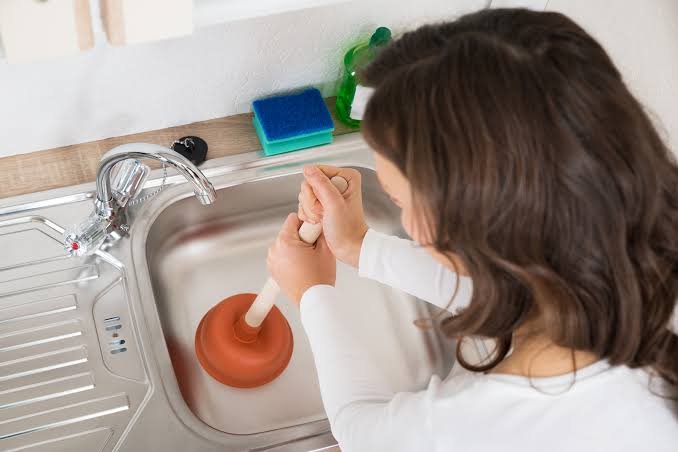
How to do it properly:
- Fill the sink or tub with just enough water to cover the plunger’s rubber cup
- Cover any overflow drain hole with wet cloth or tape (this stops air from escaping and killing the suction)
- Place the plunger directly over the drain, making a full seal
- Push down gently first, then plunge firmly up and down 15-20 times
- Pull up sharply on the final motion — that’s what actually dislodges the clog
Picture a small business owner in Jaipur trying to fix a backed-up kitchen sink before opening a home café for the day. A plunger, used correctly, takes about two minutes and usually solves it without needing anything else. This tool is criminally underrated for how effective it actually is.
Pull Out the Clog with a Wire Hanger or Drain Snake
For hair clogs specifically, this beats every liquid solution, hands down.
A cheap plastic drain snake (available for around ₹100-150 at most hardware or general stores) works better than any chemical for physically pulling out tangled hair.
- Push the snake down the drain slowly, twisting gently
- You’ll feel resistance when it hits the clog
- Twist and pull upward — hair usually comes out in one gross, satisfying clump
No drain snake at home? A straightened wire coat hanger with a small hook bent at the end does almost the same job. It’s not elegant, but it works. I’ve noticed people are squeamish about this step, but honestly, it’s the single most effective method for bathroom drains specifically.
Clear a Kitchen Sink Clog With a Natural Degreaser
Kitchen clogs behave differently from bathroom ones, so the fix needs to match.
For grease buildup:
- Mix ¼ cup baking soda with ¼ cup salt
- Pour down the drain, followed immediately by 2 cups boiling water
- Let sit overnight if the clog is stubborn, then flush with hot water in the morning
Avoid pouring cooking oil or ghee down the sink altogether — that’s honestly the root cause of most kitchen clogs I’ve seen. Let oil cool in a container and bin it instead. It sounds obvious, but I’ve noticed even careful cooks slip up on this one regularly.
What NOT to Do When Trying to Unclog a Drain
Some common advice out there does more harm than good, and it’s worth flagging before you try anything drastic.
- Don’t mix bleach with vinegar or ammonia-based cleaners — this creates toxic fumes, genuinely dangerous in a closed bathroom
- Avoid chemical drain cleaners on older or PVC pipes repeatedly — they can corrode pipes over time with frequent use
- Don’t force a wire hanger too aggressively — you can scratch or puncture pipes, especially plastic ones
- Skip using a plunger on a completely dry drain — it needs water to create proper suction, or it just won’t work at all
[Link to related guide on natural cleaning products you can make at home here]
When It’s Time to Actually Call a Plumber
Sometimes, despite everything, you do need professional help — and there’s no shame in that.
Call a plumber if:
- Multiple drains in the house are clogged at once (this usually points to a main line issue, not a single pipe)
- Water backs up into other fixtures when you flush the toilet
- You’ve tried at least three of the methods above with zero improvement
- There’s a persistent bad smell even after clearing visible clogs — could mean a deeper blockage or venting issue
- The clog keeps recurring every few weeks despite regular cleaning
A one-time plumber visit in most Indian cities runs somewhere between ₹300-800 depending on the city and complexity, which is honestly worth it if you’ve genuinely exhausted the DIY options.
[Link to related guide on quick house cleaning tips before guests arrive here]
Suggested image alt text: “person using a plunger to unclog a bathroom sink drain” Suggested image alt text: “baking soda and vinegar fizzing inside a kitchen drain” Suggested image alt text: “plastic drain snake tool used to remove hair clog from shower drain”
FAQs About How to Unclog a Drain
What’s the fastest way to unclog a drain at home? Boiling water works fastest for grease-based clogs — just pour it down in stages. For hair clogs, a drain snake or wire hanger is quicker than any liquid method since it physically removes the blockage instead of dissolving it.
Does Coca-Cola actually unclog drains, like people say online? Not really, or at least not reliably. The mild acidity can help slightly with light buildup, but it’s nowhere near as effective as baking soda and vinegar, and it’s honestly a waste of a perfectly good cold drink.
How often should I clean my drains to prevent clogs? A monthly baking soda and hot water flush is enough for most households. Bathrooms with long-haired family members might need a physical hair removal check every 2-3 weeks to stay ahead of buildup.
Is it safe to use chemical drain cleaners regularly? Occasional use is fine, but regular use can corrode pipes over time, especially older plumbing. They’re also genuinely harsh on skin and lungs, so gloves and ventilation matter if you do use them.
Why does my drain clog again a few weeks after I clear it? This usually means the clog wasn’t fully removed, or there’s a habit causing repeat buildup — like pouring oil down a kitchen sink or not using a hair catcher in the shower. A recurring clog after several proper cleanings can also point to a deeper pipe issue worth having a plumber check.
Can I use a plunger on a toilet the same way as a sink? Not exactly — toilets need a different plunger design (the flange-style cup) for a proper seal, and the technique for water level and sealing the overflow hole differs slightly too. Using a sink plunger on a toilet usually won’t create enough suction.
Conclusion
Most clogged drains really don’t need a plumber — they need the right method matched to the right kind of blockage. Start simple: boiling water or baking soda and vinegar for minor buildup, a plunger or drain snake for the tougher stuff, and know when a recurring or multi-drain issue genuinely needs professional attention.
Next time your shower starts pooling around your ankles, skip the panic call to a plumber first. Grab a kettle, a plunger, or a cheap drain snake, and work through the steps above — chances are, you’ll have it flowing again before your evening chai gets cold.