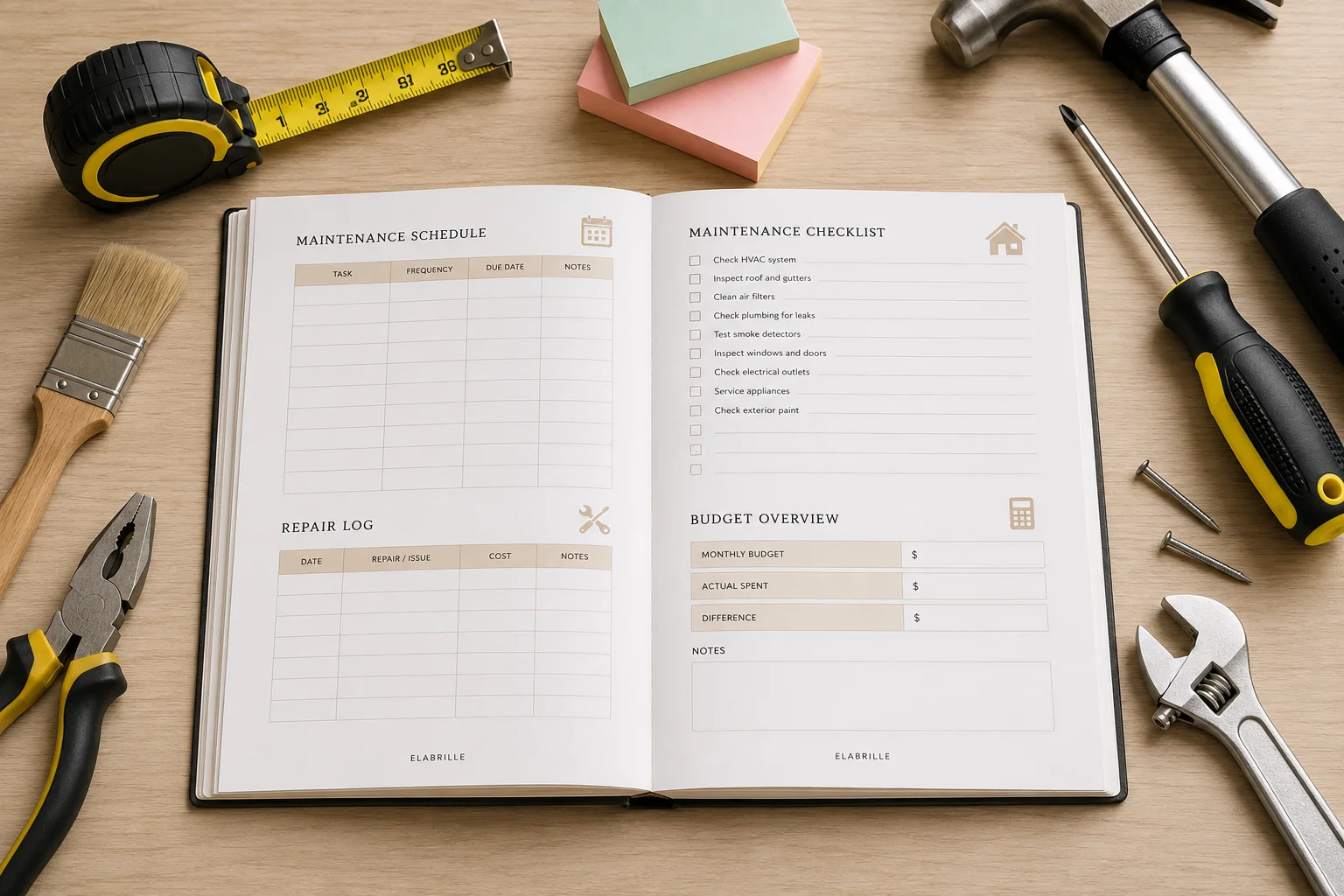
When was the last time you actually checked your exhaust fan filters? Or cleaned the tracks on your sliding windows? Be honest — probably not recently, and that’s exactly the problem this article is trying to fix. Most people keep a mental home maintenance checklist that covers the obvious stuff — paying society dues, maybe wiping down the kitchen — but skips the small monthly jobs that quietly turn into expensive repairs down the line. I learned this the hard way when a clogged AC drain pipe I’d ignored for months led to a ceiling water stain that cost ₹4,000 to fix. A five-minute monthly check would’ve caught it. Let’s go through what actually deserves a spot on your monthly rounds in 2026, and why most people skip exactly these tasks.
Why Monthly Maintenance Gets Skipped in the First Place
Quick answer: Monthly home maintenance gets skipped mainly because the tasks feel optional in the moment — nothing visibly breaks if you skip cleaning an AC filter for one more month — until small neglect compounds into a bigger, costlier repair that could’ve been prevented in minutes.
It’s not laziness, exactly. It’s that maintenance tasks don’t have an obvious deadline the way rent or bills do. Nobody sends you a reminder that your exhaust fan hasn’t been cleaned in four months.
I’ve noticed the tasks that get skipped most are the invisible ones — things behind appliances, inside pipes, up on ceilings. Out of sight really does mean out of mind here.
Check and Clean AC Filters and Drain Lines
This is probably the single most skipped item on any real home maintenance checklist, and it’s also one of the most expensive to ignore. A clogged AC filter forces the unit to work harder, which spikes your electricity bill and shortens the compressor’s life.
Clean or rinse the filter every month during heavy usage season (roughly March through September in most of India). It takes about 10 minutes and costs nothing.
- Remove the front panel and pull out the filter
- Rinse under running water, let it dry fully before reinserting
- Check the drain pipe outside for blockages — a clogged one causes water leaks indoors
Skipping this for even three or four months can mean a ₹1,500-₹3,000 servicing bill that a five-minute clean would’ve prevented entirely.
Test Smoke Detectors and Check Fire Extinguishers
Nobody thinks about this until they need it, which is exactly the problem. If you have smoke detectors installed, test them monthly — most have a simple test button.
Has this ever crossed your mind: when did you last check the expiry date on your fire extinguisher, if you even have one? Most residential extinguishers need recharging or replacement every 2-3 years, and almost nobody tracks this.
This task costs nothing but two minutes of attention, and it’s the one item on this list where skipping it has genuinely serious consequences, not just financial ones.
Inspect Under Sinks and Around Water Fixtures
Slow leaks under kitchen and bathroom sinks are sneaky. They don’t flood dramatically — they just slowly damage cabinet wood and create mold, and by the time you notice the smell, real damage has already happened.
Quick answer: A monthly two-minute check under sinks — feeling for dampness, checking for water stains on cabinet floors, and looking at pipe joints — catches slow leaks early, before they cause mold growth or structural damage that costs far more to repair.
Run your hand along the pipes and the cabinet base. Any dampness, even slight, means something needs attention now rather than in six months when it’s a bigger job.
Clean Exhaust Fans and Range Hoods
Kitchen exhaust fans collect grease and dust faster than people expect, especially with regular Indian cooking involving oil and spices. A clogged exhaust fan works less efficiently and becomes a fire risk over time.
Wipe down the blades and housing monthly with a degreaser or even warm soapy water. Bathroom exhaust fans need the same treatment, just less frequently — dust buildup there reduces airflow and can contribute to bathroom mold.
- Kitchen exhaust: monthly wipe-down, deeper clean every 3 months
- Bathroom exhaust: dust off the cover every 2 months
- Check that the fan is actually venting outside, not just recirculating dusty air
I’ll be honest, this is the task I personally skip most, and every single time I finally get around to it, I’m shocked at how much grease has built up in just a few weeks.
Check Door and Window Seals
Gaps in door and window seals cost you more on electricity than most people realize — your AC and heating both work harder to compensate for air leaking in and out.
Run your hand along the edges on a windy day. If you feel a draft, the seal needs replacing, which costs ₹100-₹300 per door or window for basic weatherstripping — a tiny expense against months of wasted electricity.
Picture a small business owner in Jaipur running a home office with the AC on most of the day. A leaky window seal alone can add a noticeable chunk to a monthly electricity bill, purely from the AC compensating for outside heat sneaking in.
[link to related guide about reducing electricity bills at home here]
Look for Signs of Pest Activity
Monthly pest checks aren’t glamorous, but termites and rodents cause damage that’s genuinely expensive to fix once established — and by the time it’s visible, it’s usually been going on for a while.
Check wooden furniture edges, skirting boards, and any wooden window frames for small holes or a hollow sound when tapped. Check under sinks and in kitchen corners for droppings.
Quick answer: Monthly checks for termite mud tubes, small wood holes, or rodent droppings catch pest issues early, when treatment costs a few thousand rupees, rather than after months of undetected damage that can run into tens of thousands for structural repair.
Test Your Water Heater and Check for Sediment Buildup
Geysers and water heaters quietly lose efficiency over time as sediment builds up inside the tank, especially in areas with hard water — which covers a lot of India.
Every month, check that the unit’s heating consistently and not taking noticeably longer than usual. Every few months, a professional flush of the tank (₹500-₹1,000 depending on your city) clears sediment and extends the unit’s life significantly.
[link to related guide about extending appliance lifespan here]
Building a Simple Monthly Routine
None of this needs to happen in one long, exhausting session. Spread these across a weekend, ten minutes here and there — check the AC filter while your coffee’s brewing, glance under the sink while you’re already in the kitchen.
Set a recurring phone reminder for the first Sunday of every month. It sounds almost too simple to work, but that single habit is what actually gets these tasks done consistently, rather than “whenever I remember,” which usually means never.
FAQs About Monthly Home Maintenance
Q: What’s the most commonly skipped home maintenance task? Cleaning AC filters and drain lines, by a wide margin. It’s invisible, doesn’t feel urgent, and the consequences (higher bills, leaks, compressor strain) build up slowly rather than happening all at once.
Q: How often should I actually check for leaks under sinks? Monthly is ideal, though even a quick check every two months catches most slow leaks before they cause real damage to cabinets or flooring.
Q: Is monthly home maintenance really necessary, or is quarterly enough? For some tasks, quarterly is fine — deep exhaust fan cleaning, water heater flushing. But high-impact items like AC filters, leak checks, and smoke detector tests are worth doing monthly since problems there compound fastest.
Q: How much money can regular maintenance actually save? It varies, but preventing even one clogged-drain water leak or one premature AC compressor failure easily saves ₹3,000-₹10,000 compared to the repair cost of letting it go unaddressed.
Q: What tools do I need for basic monthly home maintenance? Almost nothing specialized — a flashlight, a soft brush or cloth, a screwdriver for panel covers, and maybe a mild degreaser for exhaust fans. Most of this checklist needs no special equipment at all.
Q: Should renters bother with this checklist too, or just homeowners? Renters absolutely should, especially leak checks and pest monitoring — catching problems early keeps you from disputes over damage deposits later, and most of these tasks don’t require landlord permission anyway.
Final Thoughts
The tasks on this home maintenance checklist aren’t exciting, and that’s exactly why they get skipped. But ten minutes a month spent on AC filters, sink checks, and exhaust fans genuinely prevents the kind of ₹5,000-₹20,000 repairs that show up when small problems go unnoticed for too long. Pick one Sunday this month, set a recurring reminder, and just work through this list once — you’ll probably be surprised what you find.