Water problems don’t always announce themselves in dramatic ways. Sometimes it’s a faint metallic taste when you fill a glass, reddish stains around the bathroom sink, or a smell that makes you hesitate before taking a drink. Other concerns are harder to notice because water can look perfectly clear even when it contains substances that deserve attention.
For homeowners, figuring out what to do next can feel overwhelming. There are filters for minerals, systems for bacteria, and specialised equipment designed to reduce particular chemicals. The good news is that you don’t need to understand every technical detail to make a sensible choice. Start with the water itself, find out what’s causing the concern, and then consider a treatment method designed for that specific issue.
Why One Water Filter Can’t Solve Everything
It’s tempting to look for a single device that promises to handle every water problem. Unfortunately, treatment technologies don’t work that way. A filter designed to capture sediment may do very little to reduce dissolved chemicals, while a taste-improving carbon filter isn’t automatically suitable for microbiological contamination.
Water quality depends on the source, local geology, plumbing, and any treatment already in place. Municipal supplies are generally treated and monitored, but individual homes may still experience issues related to plumbing materials or mineral content. Private wells can present a different set of concerns because groundwater conditions may change over time.
Testing provides a useful starting point. Depending on the source and suspected problem, a water analysis may examine pH, hardness, iron, bacteria, or specific contaminants. If a health-related concern is involved, choose a suitable test method and consider a certified laboratory. Taste, colour, and smell can offer clues, but they cannot reliably establish whether water is safe.
Understanding PFAS and Fluoride Concerns
Some homeowners are particularly concerned about substances that aren’t necessarily visible or detectable by taste. Two examples that often come up in water-quality discussions are PFAS and fluoride. They require different considerations, so it’s important not to treat them as the same problem.
PFAS & fluoride treatment should begin with reliable information about which substance is present and at what concentration. PFAS refers to a large group of manufactured chemicals used in various industrial and consumer applications. Certain PFAS can persist in the environment, and exposure concerns have led to increased attention to drinking-water monitoring and treatment.
Fluoride, meanwhile, can occur naturally in groundwater and may also be added to some public water supplies to help prevent tooth decay. Whether treatment is appropriate depends on the measured concentration, local guidance, and household circumstances. The presence of fluoride alone doesn’t automatically mean that water requires additional treatment.
Some activated carbon products can reduce certain PFAS, while properly designed reverse osmosis systems may reduce specified PFAS and fluoride under suitable operating conditions. Performance varies by model, so check independent certifications and the manufacturer’s documentation for the exact substances you want to reduce. A generic filter label isn’t enough to confirm effectiveness.
If testing identifies an elevated concentration, consult your local water authority or public health department about the results and appropriate next steps. This is especially important when choosing equipment intended to address a specific health-related concern.
When Bacteria or Other Microorganisms Are the Concern
Not every water-quality issue involves chemicals or minerals. Bacteria and other microorganisms may enter water supplies through environmental contamination, damaged well components, or other problems. Private wells deserve particular attention after flooding, repairs, or changes in water appearance and smell.
UV water disinfection is one method used to inactivate certain microorganisms as water passes through a chamber containing ultraviolet light. When properly selected and installed, a UV system can provide an additional barrier against specified bacteria, viruses, and other microorganisms. However, its performance depends on the equipment, water flow, UV dose, and maintenance.
UV treatment doesn’t remove dissolved chemicals, hardness minerals, or sediment. Water may need prefiltration if particles or cloudiness interfere with the light reaching microorganisms. The unit also needs a suitable power supply and regular checks, including lamp replacement according to the manufacturer’s schedule.
If you suspect bacterial contamination, don’t rely on a UV unit or a home filtration product as a substitute for testing. Arrange appropriate water testing and follow guidance from your local health department or water authority. Depending on the results, temporary precautions may be necessary while the cause is investigated.
Dealing With Iron, Staining, and Other Water Problems
Iron can be a particularly frustrating issue because the signs tend to appear everywhere. Orange or reddish marks may develop in sinks, toilets, laundry, and bathtubs. Some water may also have a metallic taste, while certain forms of iron can create particles that settle in plumbing fixtures.
The right treatment depends on the form and concentration of iron in the water. Problem water & iron filters can be useful when the equipment is selected for the specific conditions identified through testing. Some systems use oxidation followed by filtration, while others rely on specialised media designed to capture or reduce iron. Manganese may also need attention if it is present.
A basic sediment cartridge might catch some visible particles, but it may not address dissolved iron. That’s why testing is so important. The treatment system should be designed around the actual water chemistry, household demand, and expected maintenance requirements.
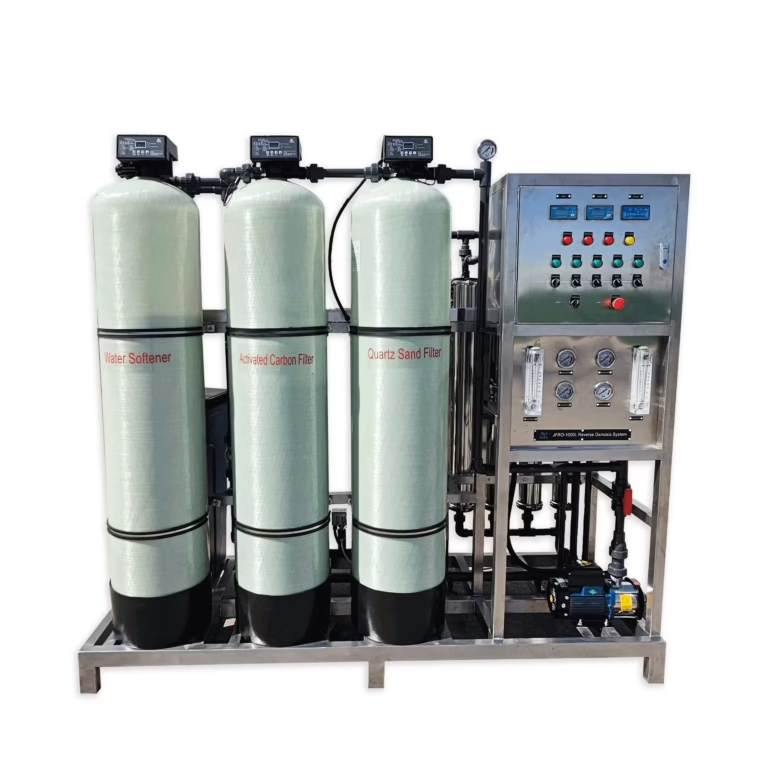
Hardness can create a different set of frustrations. Calcium and magnesium may leave scale on shower screens, water heaters, and faucets. A conventional water softener can reduce hardness through ion exchange, but it won’t automatically remove iron, bacteria, PFAS, or every other contaminant. Sometimes more than one treatment stage is needed, although combining systems should be based on evidence rather than guesswork.
Choosing and Maintaining the Right Equipment
Once the water has been tested, compare equipment according to its verified performance. Ask which contaminants the system is designed to reduce, what certification supports the claim, and whether the equipment is correctly sized for your household’s flow rate.
Installation details matter, too. Some systems require drainage, electricity, additional plumbing, or enough space for replacement cartridges and service access. Ask about these requirements before buying so the equipment doesn’t become an awkward addition to an already crowded utility area.
Consider long-term costs as well. Filters and membranes need replacement, UV lamps have a service life, and specialised systems may require professional maintenance. Keep a record of test results, installation dates, and servicing. If the water’s taste, colour, or pressure changes, investigate rather than assuming the same issue has returned.
Make Decisions With Confidence
Difficult water problems can seem complicated, but the process becomes easier when you break it into manageable steps. Identify the concern, arrange suitable testing, and compare treatment methods designed for the results. Be cautious of broad claims that one system can solve every problem or that a simple demonstration proves water is unsafe.
The goal isn’t to install the most elaborate equipment available. It’s to choose a reliable solution that addresses your household’s actual needs and can be maintained properly over time. With clear information and realistic expectations, you can take practical steps toward better water quality without spending money on treatment you may not need.