Your water bill jumped by ₹600 this month and you genuinely have no idea why. Nobody’s been filling extra buckets, nobody left a tap running overnight, and yet the number keeps climbing. This is usually when people start googling hidden water leak signs, and honestly, it’s one of those problems that’s easy to miss until it’s already expensive.
Leaks don’t always announce themselves with a dramatic burst pipe or a puddle in the middle of your kitchen. More often, they’re quiet — a slow drip behind a wall, a pipe joint that’s been weeping for weeks under the sink. I’ve seen this happen to a friend whose bathroom ceiling started sagging months after a leak had already been active, completely unnoticed. By the time it’s obvious, the damage is usually done. Let’s go through what to actually watch for in 2026, before it gets to that point.
Your Water Bill Is the First Clue Most People Miss
Featured Answer: A sudden, unexplained rise in your water bill — without any change in usage habits — is one of the most reliable hidden water leak signs. Even a small, steady drip can waste over 3,000 litres a month, which shows up clearly on your utility bill before it shows up anywhere visible in the house.
Most people check the bill, feel mildly annoyed, and move on. That’s the mistake.
- Compare your last 3-4 months of bills, not just this month versus last month
- A jump of 20% or more with no lifestyle change (no new guests, no extra laundry loads) is worth investigating
- If you have a water meter, check it before bed and again in the morning without using any water — any movement means there’s a leak somewhere in the system
I’ve noticed people assume a higher bill is just “rates going up.” Sometimes that’s true. But it’s worth ruling out a leak first before accepting that explanation.
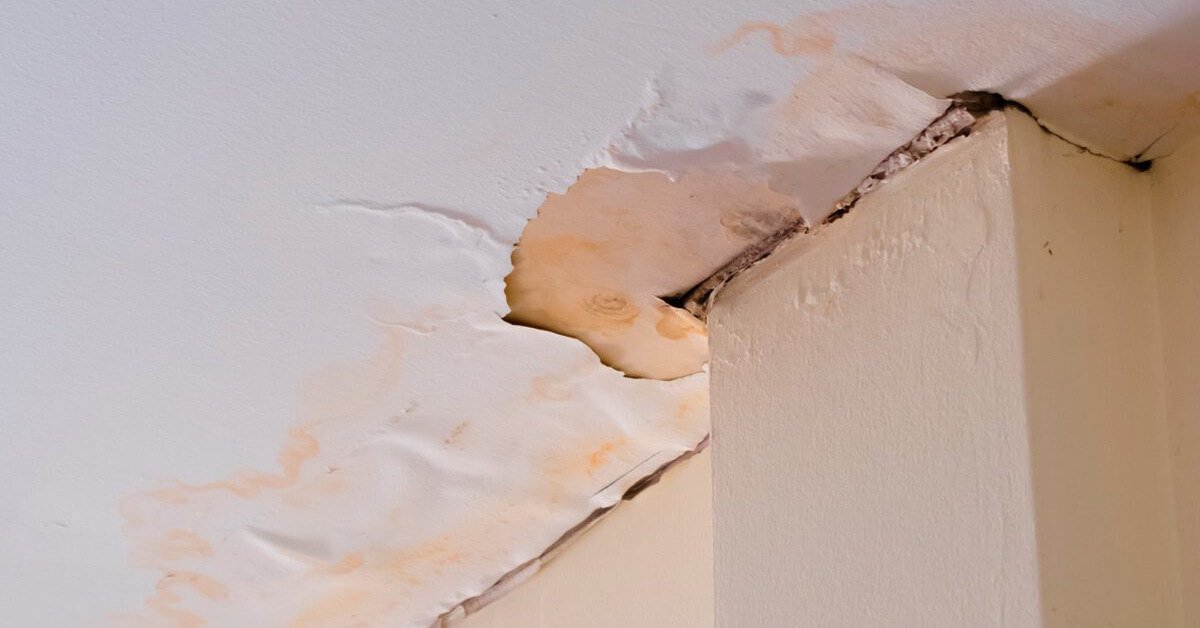
Damp Patches or Discoloration on Walls and Ceilings
This one’s fairly visible once you know where to look, but people often mistake it for something else — humidity, old paint, general wear.
What to look for:
- Yellowish or brownish stains, usually with a slightly irregular, blotchy edge
- Patches that seem to reappear after painting over them
- Peeling or bubbling paint, especially near ceiling corners or behind furniture pushed against a wall
Picture a small business owner in Jaipur running a home office out of a spare room, who keeps noticing a faint yellow patch near the window that keeps coming back no matter how many times it’s repainted. That’s a textbook hidden leak, likely from a pipe running behind that wall or a roof seepage issue above it. Repainting without fixing the source just wastes money, over and over.
A Musty Smell That Won’t Go Away
Smell is honestly one of the most underrated hidden water leak signs, and I think it’s because people assume it’s just “old house smell” or poor ventilation.
A persistent musty, damp odor — especially in one specific corner of a room, under a sink, or near a bathroom wall — usually means moisture is sitting somewhere it shouldn’t be. Mold and mildew thrive in damp, low-light spaces, and they produce that distinct smell well before you can actually see any visible growth.
- Check under sinks, inside cabinets, and behind large furniture
- Smell near baseboards, especially in ground-floor rooms
- If the smell is stronger in one specific spot compared to the rest of the room, that’s your starting point for investigation
Has this ever happened to you — a smell you just can’t place, no matter how much you clean? That’s usually your first real clue that something’s leaking somewhere behind the scenes.
Mold or Mildew Growth in Unusual Spots
Featured Answer: Mold appearing in areas that aren’t typically damp — like a bedroom wall or a hallway ceiling — is a strong indicator of a hidden water leak. Unlike bathroom mold, which is expected from regular humidity, mold in dry-use areas almost always points to a moisture source inside the wall or floor.
Bathroom mold is normal to a degree; it’s a wet room, that’s expected. Mold showing up in your bedroom, living room, or a hallway closet is a different story entirely.
- Small black or greenish spots that keep spreading despite cleaning
- Mold appearing behind furniture that’s rarely moved
- A fuzzy or fibrous texture, not just discoloration
If regular cleaning doesn’t stop it from coming back within a couple of weeks, that’s a strong sign the moisture source is internal, not just surface condensation.
Flooring That’s Warped, Buckled, or Feels Soft
Floors tell you a lot if you pay attention, particularly wooden or laminate flooring, which reacts fastest to trapped moisture underneath.
- Wooden floors that start to warp, cup, or feel uneven underfoot
- Tiles that sound hollow when tapped, or feel loose compared to surrounding tiles
- Carpet that stays damp or smells musty even when nothing’s been spilled recently
[Link to related guide on how to unclog a drain without calling a plumber here]
A soft or spongy spot on the floor, especially near a bathroom wall or kitchen sink area, usually means water has been seeping in for a while. This isn’t a wait-and-watch situation — floor damage from ongoing leaks tends to get expensive fast, sometimes running into tens of thousands of rupees in repair costs if it’s left too long.
Sound of Running Water When Everything’s Off
This sounds almost too obvious, but it genuinely gets overlooked constantly.
If you can hear a faint trickling or dripping sound inside walls or under the floor when every tap and appliance in the house is off, that’s about as direct a hidden leak sign as you’ll get. It’s easiest to notice late at night when the house is quiet — try walking through each room for a minute or two with everything switched off and just listening.
Some people dismiss this as “old pipes settling” or general house noise. Sometimes that’s genuinely all it is. But if the sound is consistent and traceable to roughly one area, it’s worth checking further rather than assuming it away.
Unexplained Drop in Water Pressure
A sudden or gradual drop in water pressure, especially if it’s isolated to one tap or one part of the house, often points to a leak diverting water somewhere along the pipeline.
Quick check:
- Test pressure at multiple taps around the house
- If one specific tap or floor has noticeably weaker pressure than the rest, that’s a red flag
- Rule out a blocked aerator first (unscrew and clean it) before assuming it’s a leak — sometimes it really is just mineral buildup
If cleaning the aerator doesn’t fix it and the pressure drop is consistent, a leak somewhere in that specific line is a real possibility.
Cracks Appearing in Walls or Foundation
This is the more serious end of hidden water leak signs, and it’s worth taking seriously rather than brushing off as normal settling.
- Hairline cracks that widen over a few weeks or months
- Cracks near the base of walls, particularly on ground floors
- Cracking that runs alongside a damp patch or discoloration
Constant water seepage can weaken plaster and even affect foundation integrity over time, particularly in older constructions. This one genuinely isn’t a DIY fix — if you’re seeing structural cracks alongside any of the other signs above, get a professional plumber or a structural assessment involved sooner rather than later.
[Link to related guide on natural cleaning products you can make at home here]
Suggested image alt text: “damp yellow water stain on bedroom ceiling indicating hidden leak” Suggested image alt text: “person checking water meter to detect hidden water leak signs” Suggested image alt text: “warped wooden flooring near bathroom wall caused by water damage”
FAQs About Hidden Water Leak Signs
How can I tell if I have a hidden water leak without cutting into walls? Start with your water meter — turn off all taps and appliances, then check if the meter still moves. Combine that with checking your water bill trend, sniffing for musty smells in specific corners, and looking for damp patches or bubbling paint.
Can a hidden leak cause health problems? Yes, indirectly. Prolonged moisture leads to mold growth, which can trigger allergies, respiratory irritation, and worsen asthma symptoms for sensitive household members, especially children and older adults.
How much water can a small hidden leak actually waste? Even a slow, barely visible drip can waste over 3,000 litres a month in some cases. A more active hidden leak behind a wall can waste significantly more, which is usually what causes those sudden bill spikes people notice.
Should I call a plumber immediately if I notice a damp patch? Not always immediately, but don’t ignore it either. If the patch keeps reappearing after painting, is paired with a musty smell, or is spreading, it’s worth getting a plumber to at least do a moisture check before it becomes a bigger structural issue.
Can hidden leaks happen even in newly built homes? Yes, unfortunately. Poor pipe fitting, low-quality joints, or waterproofing shortcuts during construction can cause leaks even in a house that’s only a couple of years old. It’s not just an “old house” problem.
What’s the difference between condensation and an actual hidden leak? Condensation usually appears seasonally, tends to be more widespread across a surface, and often clears up with better ventilation. A hidden leak tends to be localized to one specific spot, persists regardless of the season, and keeps returning even after cleaning or repainting.
Conclusion
Catching hidden water leak signs early really comes down to paying attention to the small, easy-to-dismiss stuff — a slightly higher bill, a smell that won’t go away, a patch of paint that keeps bubbling back. None of these are dramatic on their own, which is exactly why they get ignored for so long.
Do a quick walk-through of your home this week. Check the water meter overnight, sniff around under sinks and behind furniture, and take a proper look at any wall stain you’ve been meaning to just repaint over. Catching it now could save you a much bigger repair bill — and a much bigger headache — a few months down the line.